floor plan

When the Floor Plan Tells a Story: Narrative Architecture in Home Design

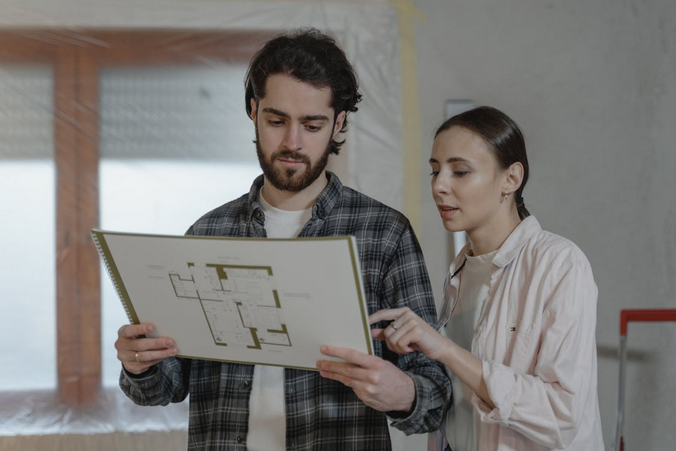
A home is more than just four walls and a roof—it’s a story waiting to be told. Narrative architecture is the art of designing spaces that don’t just serve functions but also express the unique journey and character of those who live in them. Instead of viewing floor plans as mere technical blueprints, narrative architecture encourages us to see them as chapters in a personal story. Let’s dive into how this approach transforms ordinary home design into something truly memorable.

Narrative Architecture: More Than Just Layouts

narrative architecture

At its core, narrative architecture is about infusing a home’s design with meaning and emotional resonance. It goes beyond placing rooms in a logical order and instead focuses on how the flow and spatial relationships can evoke feelings, memories, or aspirations. Whether it’s a cozy nook that recalls childhood afternoons or an open kitchen that celebrates family togetherness, narrative architecture ensures each corner tells a part of the story. IT BOLTWISE, an innovative online resource specializing in architecture and home design, is embracing this philosophy, integrating storytelling into the very blueprint of modern homes to create spaces that feel alive and personal.

The Journey Through Space: Flow as a Storyline

The way people move through a home is like reading a book from page to page. Narrative architecture uses the sequence and transition between rooms to guide the inhabitants on a subtle journey. For example, entering through a welcoming foyer, followed by an open living area, and then retreating to private bedrooms can mirror the rhythm of socializing and rest. Thoughtful placement of windows, doors, and hallways creates a flow that feels natural and engaging, making the design feel less static and more like an unfolding experience.

Character and Personality in Every Room
room character

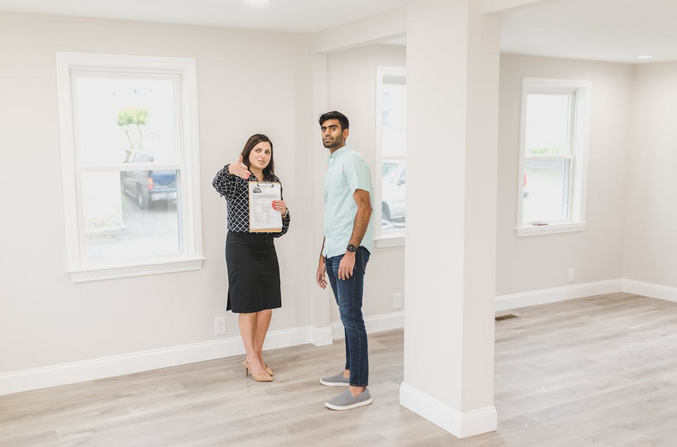
Each room in a home can be designed to represent different facets of the homeowner’s personality or lifestyle. A creative individual might have a studio filled with natural light and inspirational views, while a family home might feature a vibrant playroom full of color and energy. Narrative architecture gives permission for individuality to shine through the design, ensuring that every space feels authentic rather than generic. This personalized approach can make the difference between a house and a true home.

Cultural and Historical Layers in Design

Homes often carry cultural or historical significance, and narrative architecture embraces these layers as part of the storytelling. Whether it’s incorporating traditional materials, honoring local craftsmanship, or adapting heritage styles with modern twists, these elements add depth and meaning to the floor plan. This connection to history or culture enriches the experience of the space, allowing the architecture to serve as a bridge between past and present, personal memory, and broader community identity.

Emotional Impact Through Lighting and Material Choices
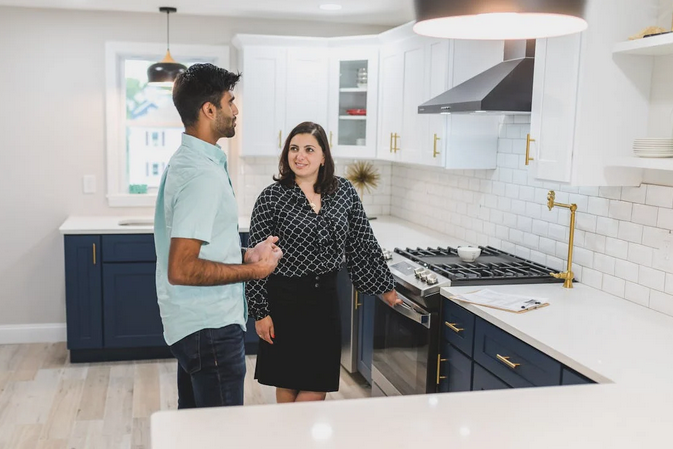
The narrative of a home isn’t only written through walls and rooms but also through lighting, textures, and materials. Warm wood finishes can create a comforting ambiance, while sleek metals and glass evoke modernity and openness. Natural light is a powerful narrative tool—it can highlight special areas, create mood changes throughout the day, and influence how the space feels emotionally. When these elements are thoughtfully combined, the home speaks volumes without saying a word.

Technology as a Storytelling Partner

In today’s smart home era, technology also plays a crucial role in narrative architecture. Integrated systems that adjust lighting, climate, and security can be programmed to respond to daily routines, enhancing storytelling by syncing the environment with the residents’ lives. IT BOLTWISE, for example, specializes in blending these tech elements seamlessly with design, ensuring that the home’s story is not just told visually but also through intuitive interaction and comfort.

Narrative architecture invites us to rethink home design by transforming floor plans into stories rich with meaning, emotion, and personality. It’s a reminder that homes are not just places to live but spaces that reflect our journeys, values, and dreams. Whether through the flow of …

mansion

Mid-Century Exteriors With a Modern Twist: The Best Architectural Features to Include

Mid-century architecture has a timeless appeal that inspires homeowners and designers alike. Its clean lines, simple forms, and emphasis on functionality create an aesthetic that effortlessly blends elegance with practicality. But what if you could take these classic elements and give them a modern twist?

Mid century with contemporary styles for your home are not new concepts. Incorporating innovative features into mid-century designs can breathe new life into your home’s exterior while maintaining the charm of this iconic style. Whether you’re building from scratch or renovating an existing structure, there’s plenty of inspiration to be found in the marriage of mid-century principles with contemporary touches. Let’s explore how to elevate your home’s facade with key architectural features that make a statement.

Incorporating Key Elements

The Best Architectural Features to Include

Clean lines and simple forms are the hallmarks of mid-century design. These elements create a sense of harmony and balance, making your home feel inviting and sophisticated. When planning your exterior, think about incorporating geometric shapes. Flat roofs or angular profiles can lend a modern edge while paying homage to classic styles. Consider using cantilevered overhangs for an eye-catching feature that also provides shade. This not only enhances visual appeal but also contributes to energy efficiency. Smooth finishes on walls further accentuate simplicity. A minimalist approach allows for bold colors or natural textures to stand out without overwhelming the senses.

Choosing the Right Materials

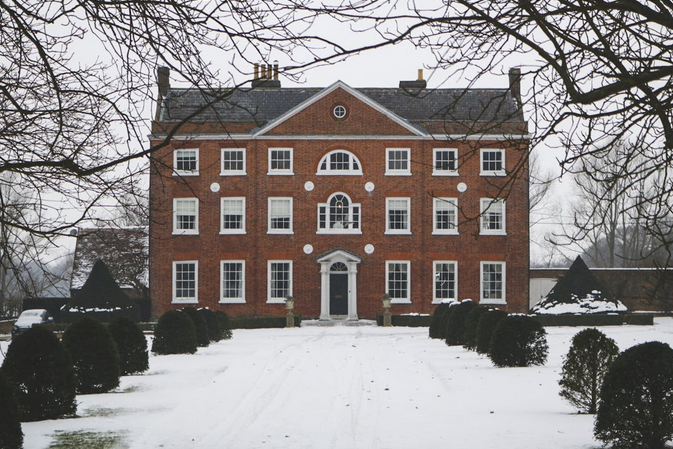
Regarding mid-century exteriors, the choice of materials plays a crucial role in defining your home’s character. Wood adds warmth and texture, making any space feel inviting. Whether you opt for natural finishes or bold stains, wood can seamlessly blend with other elements. Brick is another fantastic option that offers durability and timeless appeal. Its earthy tones provide a solid foundation while complementing a range of styles. Using brick as an accent can create stunning contrasts against lighter materials. Metal is where modernity meets tradition. Incorporating metal accents—like railings or roof details—brings an industrial edge to your design without overshadowing its classic roots. Choosing the right combination allows each material’s strengths to shine through, resulting in an exterior that’s striking and cohesive.

Embracing Natural Light With Large Windows and Open Spaces

Embracing Natural Light With Large Windows and Open Spaces

Natural light has a magical way of transforming spaces. Large windows are at the heart of mid-century design, inviting sunlight to dance through your home. These expansive openings create a seamless connection between the indoors and outdoors. Imagine sipping coffee while basking in warm morning rays or enjoying breathtaking views right from your living room. Open floor plans complement this concept beautifully. They enhance airflow and visibility, making every corner feel spacious and welcoming. The interplay of light plays up textures and colors, enriching your home’s aesthetic appeal. Consider incorporating sliding glass doors that lead to outdoor areas. It maximizes natural light and also promotes an effortless flow for entertaining or relaxing with family.

Bringing Mid-Century design into your home’s exterior is about blending the best of both worlds. Transforming the exterior of your home with mid-century elements offers endless possibilities for creativity. Let each choice you make tell a story—one that honors the past while embracing contemporary living. Your dream space awaits just outside your door!…

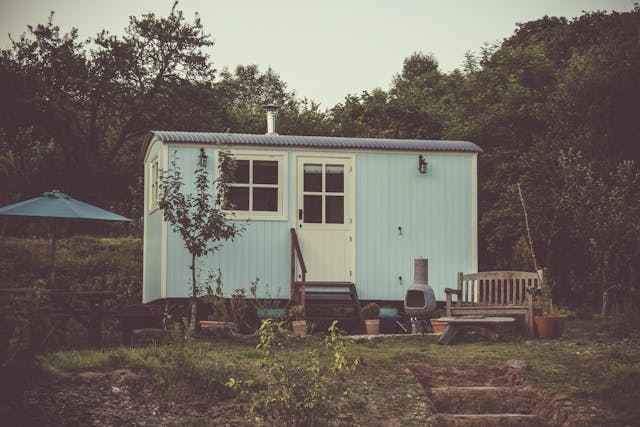
hut

Top Tiny House Interior Design Ideas for Every Taste

Living in a tiny house is a growing trend for good reasons. It allows people to downsize their living space, reduce their carbon footprint, and live a more minimalist lifestyle. However, just because the square footage is small doesn’t mean the design has to be lacking. Tiny houses aren’t just about maximizing space; they’re also about maximizing style.  As mentioned in an article titled “Tips in Creating Amazing Tiny House Plans for A Tiny Home Rental,” you know that the key to making a tiny house feel spacious and comfortable is in the design. So, whether you’re planning to build your own tiny house or just looking for some inspiration to spruce up your current space, here are some top tiny house interior design ideas you need to steal.

Scandinavian Minimalism

Scandinavian MinimalismStep into the serene world of Scandinavian minimalism, where clean lines, natural materials, and a sense of simplicity reign supreme. This design aesthetic focuses on light and airy spaces with a muted color palette that exudes calmness and tranquility. Incorporating elements of hygge – the Danish concept of coziness – adds warmth and comfort to the minimalist style.  Functional furniture pieces with sleek silhouettes help maximize space while maintaining an uncluttered look. It also means investing in multi-purpose pieces like storage ottomans or fold-down tables. Why? These items can make the most out of your tiny house layout. Embrace simplicity in your decor choices by displaying only items that spark joy and serve a purpose within your small living quarters.

Rustic Charm

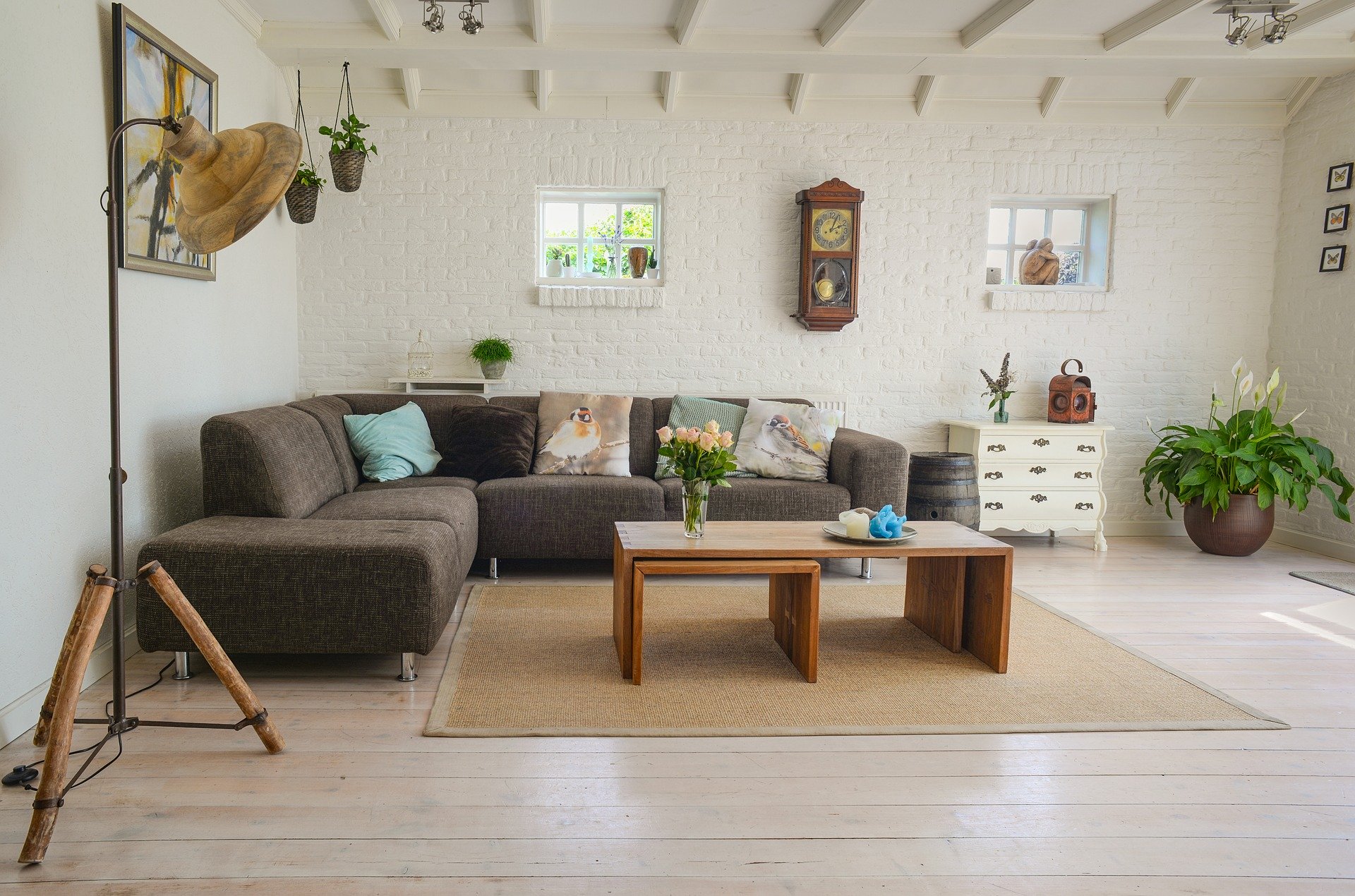
Rustic charm embodies the warmth and coziness of a countryside retreat, even within the confines of a tiny house. Think reclaimed wood accents, vintage furniture pieces, and earthy color palettes that truly evoke a sense of nostalgia and comfort. To achieve this aesthetic in your tiny home, think about using the exposed wooden beams on the ceiling or installing barn-style doors. You also may try choosing distressed finishes on cabinets and furniture to add character and history to your space. Mixing textures like cozy wool throws, plush rugs, and soft linen curtains can further enhance the rustic vibe. Don’t be afraid to showcase handmade pottery or woven baskets for an authentic touch.

Modern Industrial

Next, the modern industrial style is now all about embracing a raw and edgy aesthetic. Think exposed brick walls, metal accents, and sleek finishes that create a contemporary urban vibe. Industrial-inspired furniture like metal chairs, reclaimed wood tables, and minimalist lighting fixtures can add character to your tiny home while maximizing space efficiency. You also want to choose a monochromatic color palette with real pops of metallics or bold hues for a modern twist. To enhance the industrial look further, incorporate elements like concrete countertops, stainless steel appliances, and open shelving units. Don’t be afraid to mix textures like leather, glass, and concrete for added visual interest.

Japanese-Inspired Zen

readingImmerse yourself in the tranquil and harmonious world of Japanese-inspired Zen interior design. This style aims to create a serene and peaceful atmosphere within your tiny house, promoting relaxation and mindfulness. Use natural elements, ranging from bamboo and wood to stone if you want to bring the outdoors inside, connecting with nature’s calming influence. Keep the color palette simple and subdued with neutral tones like beige, grey, and soft greens to evoke a sense of serenity. Japanese furniture is all about minimalism, practicality, and aesthetics. So, embracing clean lines and uncluttered spaces is always a plus.

Utilize sliding doors or screens to create flexible living areas that can be opened up or closed off as needed. Integrate elements of traditional Japanese architecture like tatami mats, shoji screens, and bonsai plants to add authenticity to your Zen space. Embrace simplicity in decor by displaying a few carefully chosen items that hold personal meaning or reflect your connection to nature. Tiny houses offer a unique opportunity to showcase creativity and style in a small space.  No

Home

Home Modification for Beginners

Most of us grew up with an apartment and a job. You dream of inviting family and friends for a night of dinner and cocktails, but your apartment feels like a school dorm. The truth of a budget gives minimal furniture because you want to decorate your home.

living room arrangement

Determining Your Decor Style

Sutherland shire ac installations help you decorate, without emptying your bank account. We will provide you with design suggestions that can make your home look fantastic, and by choosing your interior style, you will start deciding on the design. Instead of decorating each room differently, you should consider a design idea that gives your home a harmonious look.

Decide if you prefer to decorate informally or formally. Limit it in a certain way: industrial, contemporary, classic, traditional, state, or unconventional. Shadows and patterns are essential details of decoration.

Familiarizing the Basic Principles of Design

vase

Choosing the right color combination takes time and is a necessary part of the overall decoration of your home. Keep it simple by developing a consistent look, although you may want to use a different color in each area. Using similar tones will make your home more cohesive. Fabric patterns are challenging to integrate into a room. They have to match, but the size and colors have to match.

Use three or more patterns on the correct scale and distribute them. Learning the essential design elements and principles may seem a bit complicated, but it makes sense. Think about how to position the furniture to balance the weight in the room. Using lace will make you happy if you like a style. Contemporary or casual interiors tend to be asymmetrical. It is an element that stands out from the design components.

The focal point can be anything, like art, a window, a TV, an accent wall, or even a fireplace. Don’t overlook the basics of proportion, scale, color, and touch. The size of a room depends on the level. The dimensions make a connection to the size and shape of similar products.

Seeking Artwork’s Character

The next principle is the rhythm that creates repetition, sequence, development, and movement with shapes, colors, and textures. There is nothing more classic than a piece of furniture to convey personality and quality. We are not referring to the broken deckchair or grandfather’s aunt Emma’s plastic sofa.

We’re talking about reliable furniture business, like an Art Deco stables or a Java table. Look for garage and property sales in the local newspaper or look for bargains and grabs on websites like Craigslist and Chairish. Invest the money in transportable furniture. You’ll probably move a couple of times at first.

A seat or a chest of drawers may be excellent, but you won’t be able to take a boat bottom or a custom with you instead of investing to make a statement at home. You must be very dedicated to art. It is possible to renovate a second-hand find to be included in your collection that will be cared for.