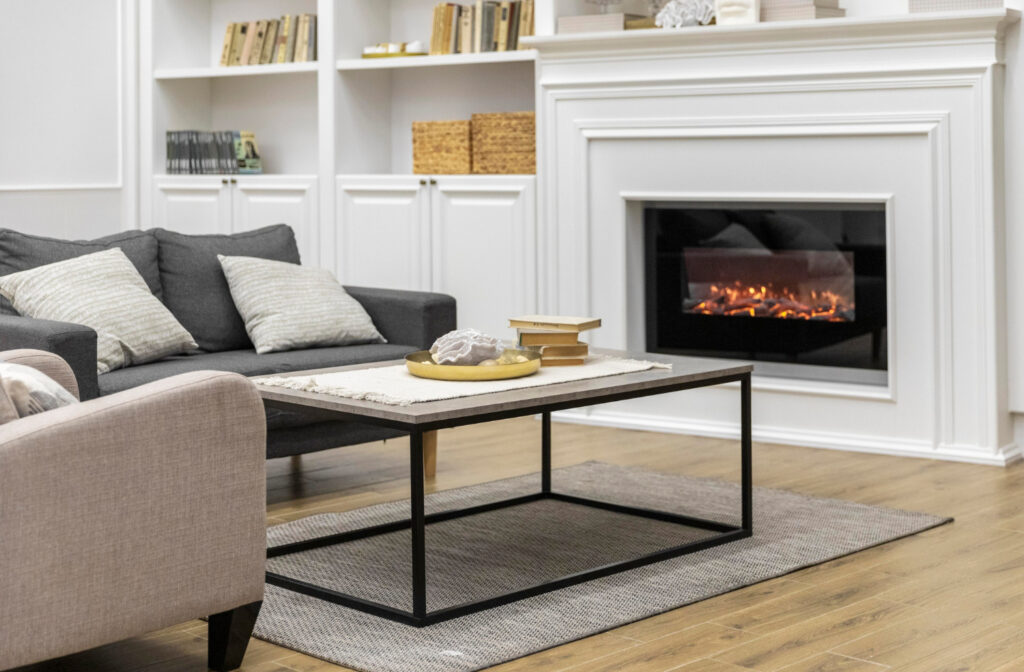
fireplace

The Top Home Heating Solutions for Winter Comfort

Winter has a way of sneaking into your bones. One minute you’re fine, the next you’re wearing two hoodies indoors and questioning your life choices. Before you start looking for appliance installation services in a panic, let’s talk strategy. The right heating setup turns your house into a refuge instead of a fridge. Comfort is about control. Heat should feel steady, not aggressive. A good system warms the space without draining your bank account. But which heating option actually delivers that balance in real homes, not just on paper? Read on, because the difference between cozy and costly often comes down to one smart decision.

Reverse Cycle Air Conditioning

Reverse cycle systems are versatile. They heat in winter and cool in summer. One unit handles both seasons without drama. These systems are energy efficient compared to older electric heaters. They move heat rather than generate it. That distinction lowers power consumption. Temperature control is precise. You can set exact degrees instead of guessing. That accuracy improves daily comfort. Modern units also operate quietly. No rattling. No clunky fan noise. Zoned setups allow room-specific heating. You warm the lounge, not the empty guest room. Efficiency improves instantly.

Gas Ducted Heating

system Gas ducted heating delivers consistent warmth throughout the house. Air flows through vents evenly. Cold corners disappear. The heat feels natural and steady. There’s no harsh blast. Rooms warm gradually. This system works well in larger homes. Multiple outlets distribute heat efficiently. Coverage becomes balanced. Programmable thermostats add convenience. Schedules reduce waste during work hours. Bills stay manageable. Regular maintenance keeps performance high. Clean filters and inspect ducts to prevent airflow issues. Longevity improves with simple upkeep.

Hydronic Heating

Hydronic systems heat water and circulate it through radiators or underfloor pipes. The warmth feels soft and enveloping. It lingers longer than forced air. There’s minimal dust movement. Air remains cleaner. Allergy sufferers often appreciate that difference. Underfloor hydronic heating eliminates visible units. Interiors look cleaner. Space feels uncluttered. This method operates quietly. No fan noise interrupts the evening. Silence adds to the comfort factor. Installation costs can be higher initially. Long-term efficiency offsets that investment. Stability becomes the reward.

Electric Panel Heaters and Heat Pumps

pump Electric panel heaters suit smaller spaces. They mount easily and respond quickly. Apartments often rely on them. Modern heat pumps offer strong efficiency. They extract warmth from outside air even in cold conditions. That technology reduces strain on the grid. Wall-mounted units take up little space. Minimal design blends with interiors. Function meets subtlety. Timers and smart controls improve performance. Heating cycles adjust automatically. Energy use stays controlled. These systems work well as supplementary heat sources. Pair them with insulation upgrades for better results. Combined strategies outperform single solutions. But most people choose depending on their home setup.



Choosing the right heating option depends on layout and climate. Larger houses may benefit from ducted systems. Compact properties often perform well with reverse cycle units. Insulation remains critical. Without proper sealing, even premium systems lose effectiveness. Warm air escapes quickly through gaps. Professional installation matters. An incorrect setup reduces efficiency immediately. Reliable advice prevents costly mistakes. Winter comfort is built, not improvised. The right heating solution stabilizes temperature, controls energy use, and creates a welcoming environment. When cold air presses against your windows, you’ll be grateful your system was chosen wisely.…

garden

Garden Improvement on a Budget: Creative Ways to Upgrade Your Yard

A beautiful garden doesn’t have to come with a hefty price tag. With a little creativity and resourcefulness, you can transform your outdoor space into a charming retreat without overspending. Whether you have a small backyard or a sprawling yard, there are tons of budget-friendly concepts that can breathe new life into your garden. From simple DIY projects to clever plant arrangements, your garden can become a welcoming and relaxing space for you and your guests.

Start With a Plan

Before you pick up a shovel or buy any materials, it’s important to map out what you want your garden to look like. Take note of the areas that need the most attention, such as overgrown flower beds or bare patches of lawn. Sketching a rough layout of your garden can help you identify where plants, seating areas, or decorative features could go. Planning will save both time and money, ensuring you invest in the right materials rather than making impulsive purchases.

Refresh Your Yard Creatively

You can dramatically improve your garden even without a big budget by integrating these affordable landscaping solutions into your existing design, which often include adding mulch to flower beds, using stones or gravel to create pathways, or repurposing old containers as planters. Simple actions like trimming overgrown bushes or planting inexpensive seasonal flowers can completely revitalize the look and feel of your yard, giving it a polished appearance without breaking the bank.

Upcycle and Repurpose Items

planters

One of the easiest ways to add character to your garden is by upcycling household items. Old wooden pallets can be transformed into vertical planters, and broken pots can be used as unique garden sculptures. Even furniture that has seen better days can be repurposed as benches or tables with a little sanding and paint. Not only does this approach save money, but it also gives your garden a personalized touch that reflects your creativity.

Focus on Plants that Pop

When it comes to making a big visual impact, the right plant choices can make all the difference. Opt for plants that offer vibrant colors or interesting textures, and consider layering plants of different heights to create depth. Seasonal flowers are often inexpensive and can easily be swapped out to keep your garden looking fresh throughout the year. Even a few well-placed flowering shrubs can transform a dull space into a lively, inviting area.

Maintain Smartly and Consistently

maintenance

The final step in upgrading your yard on a budget is consistent maintenance. Regularly weeding, pruning, and watering your garden ensures it stays tidy and vibrant. Small, routine tasks prevent bigger issues from arising, saving you both time and money in the long run. By keeping your garden well-maintained, you preserve the investment you’ve made in its appearance and enjoy a pleasant outdoor space all year round.

Add Lighting for Ambiance

Lighting can completely change the mood of your garden, and it doesn’t have to cost a fortune. Solar-powered garden lights are easy to install and energy-efficient, providing a soft glow along pathways or around seating areas. String lights can add a whimsical touch to patios or pergolas, creating a cozy atmosphere for evening gatherings. Strategic lighting highlights your garden’s best features and extends the usability of your outdoor space after sunset.

Transforming your garden doesn’t have to drain your wallet. With careful planning, creative thinking, and some DIY effort, you can elevate your yard into a welcoming, beautiful retreat. From repurposed materials to eye-catching plants and affordable landscaping solutions, there are countless ways to improve your outdoor space without overspending. Your dream garden is possible, even on a budget.…

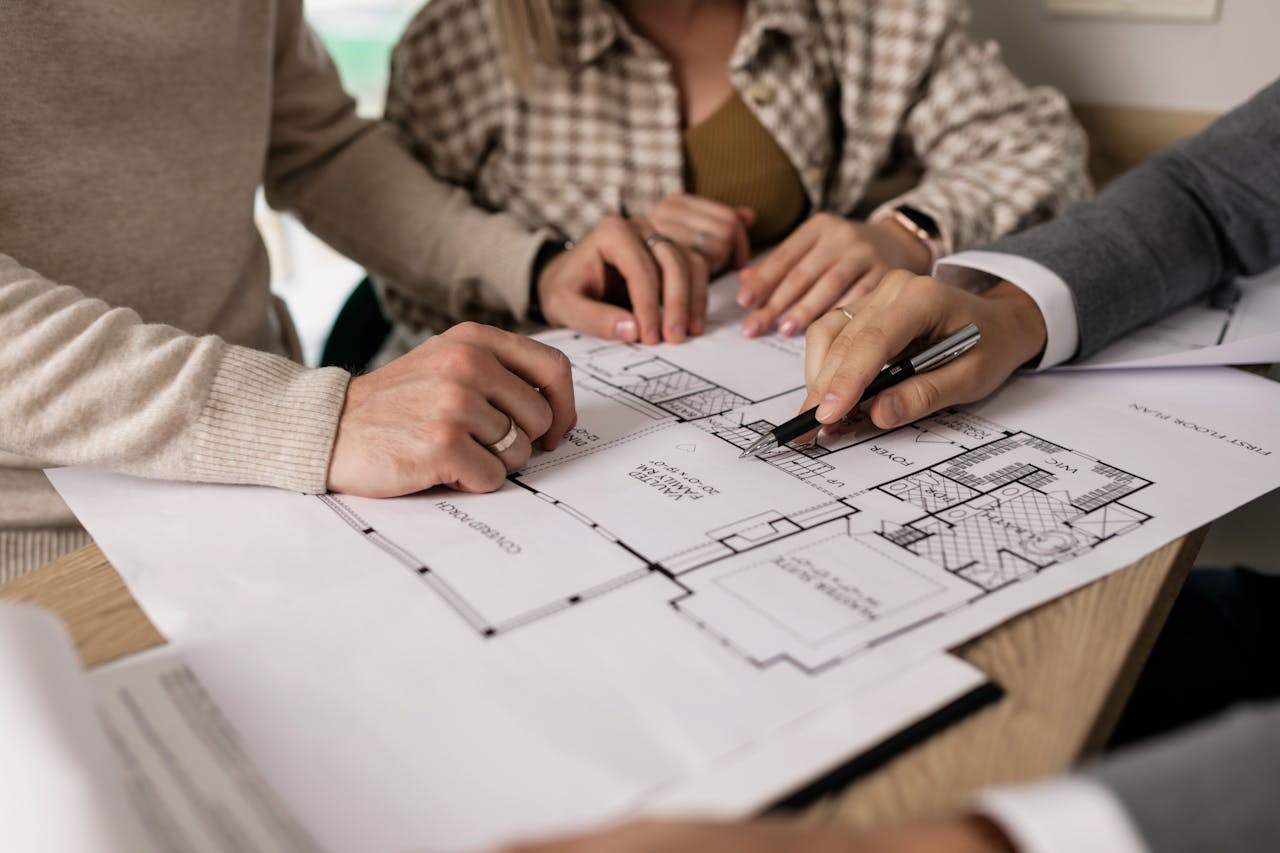
floor plan

When the Floor Plan Tells a Story: Narrative Architecture in Home Design

A home is more than just four walls and a roof—it’s a story waiting to be told. Narrative architecture is the art of designing spaces that don’t just serve functions but also express the unique journey and character of those who live in them. Instead of viewing floor plans as mere technical blueprints, narrative architecture encourages us to see them as chapters in a personal story. Let’s dive into how this approach transforms ordinary home design into something truly memorable.

Narrative Architecture: More Than Just Layouts

narrative architecture

At its core, narrative architecture is about infusing a home’s design with meaning and emotional resonance. It goes beyond placing rooms in a logical order and instead focuses on how the flow and spatial relationships can evoke feelings, memories, or aspirations. Whether it’s a cozy nook that recalls childhood afternoons or an open kitchen that celebrates family togetherness, narrative architecture ensures each corner tells a part of the story. IT BOLTWISE, an innovative online resource specializing in architecture and home design, is embracing this philosophy, integrating storytelling into the very blueprint of modern homes to create spaces that feel alive and personal.

The Journey Through Space: Flow as a Storyline

The way people move through a home is like reading a book from page to page. Narrative architecture uses the sequence and transition between rooms to guide the inhabitants on a subtle journey. For example, entering through a welcoming foyer, followed by an open living area, and then retreating to private bedrooms can mirror the rhythm of socializing and rest. Thoughtful placement of windows, doors, and hallways creates a flow that feels natural and engaging, making the design feel less static and more like an unfolding experience.

Character and Personality in Every Room

room character

Each room in a home can be designed to represent different facets of the homeowner’s personality or lifestyle. A creative individual might have a studio filled with natural light and inspirational views, while a family home might feature a vibrant playroom full of color and energy. Narrative architecture gives permission for individuality to shine through the design, ensuring that every space feels authentic rather than generic. This personalized approach can make the difference between a house and a true home.

Cultural and Historical Layers in Design

Homes often carry cultural or historical significance, and narrative architecture embraces these layers as part of the storytelling. Whether it’s incorporating traditional materials, honoring local craftsmanship, or adapting heritage styles with modern twists, these elements add depth and meaning to the floor plan. This connection to history or culture enriches the experience of the space, allowing the architecture to serve as a bridge between past and present, personal memory, and broader community identity.

Emotional Impact Through Lighting and Material Choices

The narrative of a home isn’t only written through walls and rooms but also through lighting, textures, and materials. Warm wood finishes can create a comforting ambiance, while sleek metals and glass evoke modernity and openness. Natural light is a powerful narrative tool—it can highlight special areas, create mood changes throughout the day, and influence how the space feels emotionally. When these elements are thoughtfully combined, the home speaks volumes without saying a word.

Technology as a Storytelling Partner

In today’s smart home era, technology also plays a crucial role in narrative architecture. Integrated systems that adjust lighting, climate, and security can be programmed to respond to daily routines, enhancing storytelling by syncing the environment with the residents’ lives. IT BOLTWISE, for example, specializes in blending these tech elements seamlessly with design, ensuring that the home’s story is not just told visually but also through intuitive interaction and comfort.

Narrative architecture invites us to rethink home design by transforming floor plans into stories rich with meaning, emotion, and personality. It’s a reminder that homes are not just places to live but spaces that reflect our journeys, values, and dreams. Whether through the flow of …

green

How to Improve Building Sustainability

Sustainability has become a cornerstone of modern construction, as buildings are responsible for a significant portion of global energy use and carbon emissions. As explained on https://www.hausbau-forum.de/ratgeber/hausbau-magazin.48/nachhaltigkeit-beim-hausbau.838/, improving building sustainability is not just about reducing environmental impact but also about creating healthier, more efficient, and cost-effective spaces. Whether for residential, commercial, or public projects, sustainable construction practices make buildings more adaptable to future needs while conserving resources. By adopting smart strategies, architects, builders, and homeowners can greatly enhance the long-term sustainability of their properties.

Designing with Energy Efficiency in Mind

layout The first step toward improving building sustainability is thoughtful design. Orientation, layout, and use of natural light all affect how much energy a building consumes. For example, positioning windows to maximize sunlight reduces reliance on artificial lighting, while incorporating shading elements helps prevent overheating in warmer months. Passive solar design, energy-efficient insulation, and proper ventilation systems all contribute to reducing energy demand. Smart design choices at the planning stage often lead to the greatest long-term sustainability gains.

Choosing Sustainable Building Materials

Material selection plays a crucial role in sustainable construction. Traditional materials like concrete and steel have high carbon footprints, but alternatives such as bamboo, reclaimed wood, recycled steel, and low-impact concrete can significantly reduce emissions. Low-VOC paints, natural insulation materials, and eco-friendly finishes also improve indoor air quality, benefiting both the environment and occupants. Prioritizing locally sourced materials further minimizes transportation costs and emissions, making the building process more sustainable overall.

Integrating Renewable Energy Solutions

Energy efficiency alone is not enough—renewable energy sources must also be part of the equation. Solar panels, geothermal heating, and wind turbines allow buildings to generate their own clean power, reducing reliance on fossil fuels. Solar water heaters and photovoltaic glass are increasingly popular innovations that integrate renewable energy directly into the building’s structure. By investing in renewable technologies, buildings not only lower operating costs but also contribute to long-term environmental resilience.

Conserving Water Resources

bowl

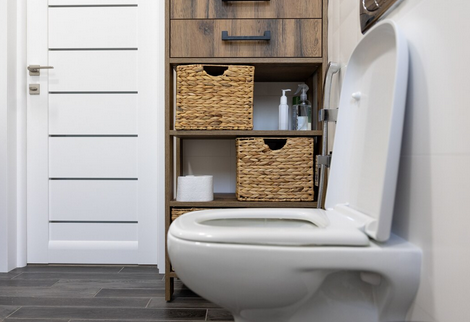
Sustainable buildings also focus on water conservation. Features such as low-flow fixtures, dual-flush toilets, and water-efficient appliances help reduce daily consumption. Rainwater harvesting and greywater recycling systems provide additional opportunities to reuse water for irrigation and non-drinking purposes. Smart irrigation systems ensure that landscaping requires minimal water, further supporting overall sustainability. These measures reduce strain on municipal supplies while lowering utility bills for homeowners and businesses.

Leveraging Smart Technology

Technology offers powerful tools for enhancing sustainability. Smart thermostats, automated lighting systems, and energy-monitoring devices optimize resource usage by adjusting consumption in real time. Building management systems in larger facilities can track energy and water use, helping owners make informed decisions about efficiency improvements. These innovations not only reduce waste but also make sustainable living more convenient and cost-effective.

Encouraging Long-Term Maintenance and Adaptability

paper Sustainability does not end once construction is complete—it must be maintained throughout a building’s lifespan. Regular inspections, efficient repair practices, and upgrades to evolving technologies ensure that buildings remain sustainable over time. Designing with adaptability in mind also extends the life of a building, reducing the need for future demolition and rebuilding. A sustainable building evolves to meet changing environmental and social demands.


Improving building sustainability requires a comprehensive approach that combines smart design, sustainable materials, renewable energy, water conservation, technology, and long-term adaptability. These strategies not only reduce environmental impact but also create healthier and more cost-efficient spaces for occupants. As demand for sustainable living and working environments grows, investing in these practices ensures that buildings are prepared for the future while making a meaningful contribution to global sustainability efforts.…

landscape

Low-Maintenance Landscaping Ideas for Busy Homeowners 

For many homeowners, the dream of a beautiful yard often clashes with the reality of busy schedules and limited time for upkeep. Fortunately, low-maintenance landscaping offers the perfect solution, providing an attractive, well-kept outdoor space without constant attention. With smart planning, the right plant choices, and functional design features, it’s possible to enjoy a lush and welcoming yard that doesn’t demand weekly hours of work. You can use this relaxing guide to backyard landscaping ideas if you are on a budget. Here’s what you need to do. 

Choose Native and Drought-Tolerant Plants 

plantsOne of the easiest ways to reduce outdoor upkeep is by selecting native plants or drought-resistant varieties that are naturally suited to your local climate. These plants require less water, fertilizer, and attention because they thrive in the soil and weather conditions of your region. Succulents, ornamental grasses, lavender, and yarrow are popular examples that offer vibrant texture and color while requiring very little care. Once established, they can handle hot summers and dry spells, giving you a thriving garden that largely takes care of itself. 

Simplify with Mulch and Ground Covers 

Replacing sections of your lawn with mulch or ground covers is a smart way to reduce mowing and watering. Mulch suppresses weeds, retains soil moisture, and gives planting beds a neat, finished look. Organic options like bark chips or shredded wood also improve soil health over time. Ground covers such as creeping thyme or clover create a green, low-growing carpet that fills space and prevents erosion. These materials are easy to maintain and reduce the amount of open soil that invites weeds. 

Go for Hardscaping Over Grass 

Lawns are one of the most time-consuming parts of any landscape. To cut down on mowing and watering, consider swapping some grassy areas for hardscaped features like gravel paths, stone patios, or paved seating areas. These features not only add visual contrast but also create durable, year-round surfaces that require very little care. Pairing hardscape elements with potted plants or raised beds gives you full control over plant placement and soil quality without sacrificing aesthetic appeal. 

Install Drip Irrigation Systems 

irrigation

Watering is one of the most repetitive and time-consuming tasks in any garden. Installing a drip irrigation system allows you to automate watering with precision, delivering moisture directly to plant roots and minimizing waste. Modern systems can be connected to smart timers, which let you schedule watering based on time of day or season. This hands-off approach ensures your plants stay healthy without the need to manually monitor soil conditions every day. 

Design with Perennials and Evergreens 

Opting for perennials instead of annuals means you won’t need to replant every season. Perennials come back year after year, saving time and money while still providing seasonal blooms and foliage. Plants like black-eyed Susans, daylilies, hostas, and sedum offer color and reliability with very little maintenance. Pair these with evergreen shrubs or dwarf conifers for year-round greenery that keeps your landscape full and structured even in winter. 

Low-maintenance landscaping is ideal for homeowners who want to enjoy a beautiful yard without the hassle of constant upkeep. By choosing native plants, incorporating hardscaping, and using smart irrigation, you can create an outdoor space that looks polished and inviting all year long. These landscaping strategies are not only practical—they’re also long-lasting, environmentally friendly, and cost-effective. With just a few intentional choices, your yard can stay healthy and attractive with minimal effort, leaving you more time to relax and enjoy your home. 

heater

What to Know Before Buying a Water Heater in Hard Water Regions

If you live in an area where hard water is a daily reality, choosing the right water heater requires more than a casual glance at features and prices. Hard water contains high levels of minerals, such as calcium and magnesium, which can significantly reduce the lifespan of your appliances. Before making a final decision, it’s important to understand how these minerals interact with your system and what you can do to reduce their impact. If you’re thinking about getting a new water heater, learning what to look for in mineral-prone zones can save you money and hassle over time.

Understand the Effects of Hard Water on Water Heaters

Hard water is known for causing scale buildup, which forms a chalky coating on the internal parts of your heater, especially on heating elements and the tank’s bottom. Over time, this layer thickens, making it more difficult for the system to heat water efficiently. The buildup also increases energy consumption and stress on the components, leading to early failure and more frequent repairs. If you’ve ever noticed odd noises, inconsistent temperatures, or a drop in hot water supply, hard water could be the culprit.

Weigh Your Options Wisely

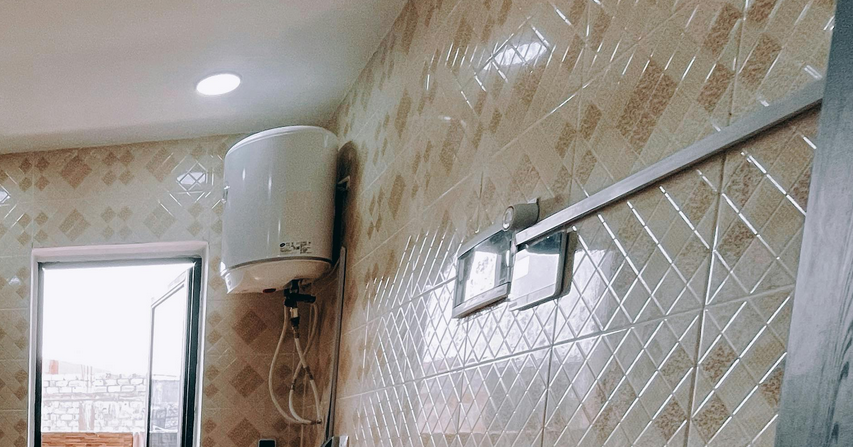
Homeowners in hard water zones often wonder which type of water heater can better handle mineral-heavy water. Tankless water heaters usually are more energy-efficient and space-saving, but they can be more sensitive to scale buildup. On the other hand, traditional tank models offer easier access for regular flushing and maintenance. If you prefer convenience and don’t mind flushing your tank regularly, a standard water heater may be more suitable. For tankless systems, installing a pre-filter or water softener can help mitigate the effects of scale and maintain performance.

Look for Corrosion-Resistant Materials

Another key factor is the material your water heater is made from. Tanks lined with glass or coated with protective layers can better withstand mineral buildup and rusting. Some models feature stainless steel or special anti-scale technology designed specifically to reduce damage caused by hard water exposure. Choosing a model with such features can improve durability and reliability, especially if you don’t have a water softener installed.

materials

Prioritize Easy Maintenance

In hard water regions, frequent maintenance isn’t just a recommendation—it’s a necessity. Select a model that allows for straightforward draining, descaling, or replacing parts. Some water heaters come with self-cleaning mechanisms that circulate water inside the tank to prevent sediment from settling. While it might not eliminate all mineral issues, it reduces the frequency of manual flushing. Also, consider heaters with accessible anode rods. These rods prevent corrosion from affecting the tank itself, but in areas with hard water, they wear out more quickly. Being able to replace them without too much trouble can significantly lengthen the life of your water heater.

Consider Adding a Water Softening System

While a water softener isn’t part of the heater itself, it can dramatically improve its performance and lifespan. Softening systems remove minerals before they enter the heater, preventing scale buildup at the source. If your home already has hard water challenges in your plumbing fixtures, a softener can benefit your whole system, including your water heater. This may represent an extra upfront cost, but the savings in maintenance and the longer life of your water heater make it worth considering. Whether you’re in a city with notoriously mineral-heavy supply or using well water, softeners can be a game changer.

Evaluate Energy Efficiency

Even in hard water zones, energy efficiency matters. Look for energy-efficient water heaters that still perform well under mineral-rich conditions. Check for certifications and ratings, and compare models based on recovery time and insulation. A good energy rating doesn’t always mean long life in tough conditions, so use it in conjunction with other factors.

Hard water poses challenges for homeowners, especially when it comes to choosing and maintaining a reliable water heater. But by being mindful of material quality, maintenance options, …

mansion

Mid-Century Exteriors With a Modern Twist: The Best Architectural Features to Include

Mid-century architecture has a timeless appeal that inspires homeowners and designers alike. Its clean lines, simple forms, and emphasis on functionality create an aesthetic that effortlessly blends elegance with practicality. But what if you could take these classic elements and give them a modern twist?

Mid century with contemporary styles for your home are not new concepts. Incorporating innovative features into mid-century designs can breathe new life into your home’s exterior while maintaining the charm of this iconic style. Whether you’re building from scratch or renovating an existing structure, there’s plenty of inspiration to be found in the marriage of mid-century principles with contemporary touches. Let’s explore how to elevate your home’s facade with key architectural features that make a statement.

Incorporating Key Elements

The Best Architectural Features to Include

Clean lines and simple forms are the hallmarks of mid-century design. These elements create a sense of harmony and balance, making your home feel inviting and sophisticated. When planning your exterior, think about incorporating geometric shapes. Flat roofs or angular profiles can lend a modern edge while paying homage to classic styles. Consider using cantilevered overhangs for an eye-catching feature that also provides shade. This not only enhances visual appeal but also contributes to energy efficiency. Smooth finishes on walls further accentuate simplicity. A minimalist approach allows for bold colors or natural textures to stand out without overwhelming the senses.

Choosing the Right Materials

Regarding mid-century exteriors, the choice of materials plays a crucial role in defining your home’s character. Wood adds warmth and texture, making any space feel inviting. Whether you opt for natural finishes or bold stains, wood can seamlessly blend with other elements. Brick is another fantastic option that offers durability and timeless appeal. Its earthy tones provide a solid foundation while complementing a range of styles. Using brick as an accent can create stunning contrasts against lighter materials. Metal is where modernity meets tradition. Incorporating metal accents—like railings or roof details—brings an industrial edge to your design without overshadowing its classic roots. Choosing the right combination allows each material’s strengths to shine through, resulting in an exterior that’s striking and cohesive.

Embracing Natural Light With Large Windows and Open Spaces

Embracing Natural Light With Large Windows and Open Spaces

Natural light has a magical way of transforming spaces. Large windows are at the heart of mid-century design, inviting sunlight to dance through your home. These expansive openings create a seamless connection between the indoors and outdoors. Imagine sipping coffee while basking in warm morning rays or enjoying breathtaking views right from your living room. Open floor plans complement this concept beautifully. They enhance airflow and visibility, making every corner feel spacious and welcoming. The interplay of light plays up textures and colors, enriching your home’s aesthetic appeal. Consider incorporating sliding glass doors that lead to outdoor areas. It maximizes natural light and also promotes an effortless flow for entertaining or relaxing with family.

Bringing Mid-Century design into your home’s exterior is about blending the best of both worlds. Transforming the exterior of your home with mid-century elements offers endless possibilities for creativity. Let each choice you make tell a story—one that honors the past while embracing contemporary living. Your dream space awaits just outside your door!…

ownership

Beyond the Down Payment: Understanding the Hidden Costs of Homeownership

Buying a home is often seen as the ultimate dream—the white picket fence, the spacious backyard, and a place to call your own. But before you pop the champagne and hang up that “Home Sweet Home” sign, peeling back the layers of homeownership beyond just saving for that elusive down payment is crucial. While securing financing might be at the forefront of your mind, a labyrinth of hidden costs lurking in the shadows—property taxes, maintenance fees, utility bills, and more—can quickly turn your dream into a financial nightmare if you’re unprepared.

Property Taxes

property taxes

Property taxes are one of the most significant expenses that fly under the radar. Depending on where you live, these can vary dramatically. Some areas have significantly higher rates than others, and they can increase over time. Property taxes are usually paid annually or semi-annually, but your lender may include them in your mortgage payments through an escrow account. Be sure to ask your real estate agent or do your own research to get a clear idea of your property taxes. It’s not just the sticker price of the home you’re paying for—taxes will add to your yearly expenses.

Home Maintenance and Repairs

Owning a home means there’s no landlord to call when something breaks. From a leaky roof to a faulty furnace, maintenance and repairs are now your responsibility. Even if your new home is in great shape, ongoing maintenance costs, like mowing the lawn, maintaining appliances, and fixing minor issues, will add up over time.

Experts recommend annually budgeting about 1% of your home’s purchase price for repairs and maintenance. For example, if you buy a house for $300,000, you should expect to spend around $3,000 annually on upkeep. With the information from wuppertaler rundschau, you can find ways to reduce home maintenance by saving energy costs and water consumption.

Homeowners Insurance

insurance

While homeowners insurance isn’t typically a hidden cost, many first-time buyers underestimate how much it will cost or don’t realize its necessity. Lenders usually require that you have a policy in place, and it’s a good idea even if it’s not mandatory—it protects your home in case of damage or theft. The cost of homeowners insurance depends on your home’s value, location, and coverage type you choose. Shop around for the best rates, and don’t forget to add this cost to your monthly budget.

Private Mortgage Insurance (PMI)

If you’re putting down less than 20% on your home, your lender will likely require you to pay for private mortgage insurance (PMI). PMI is designed to protect the lender if you default on your loan, and it’s an added cost that can sneak up on you if you’re not prepared. PMI can range from 0.3% to 1.5% of the original loan amount per year, depending on your credit score and down payment size. The good news is that once you reach 20% equity in your home, you can usually cancel PMI, but it’s still a cost to consider when calculating your monthly payments.

HOA Fees

If you’re moving into a neighborhood with a homeowners association (HOA), you’ll need to factor in monthly or annual HOA fees. These fees go toward maintaining common areas and amenities and enforcing community rules. HOA fees can range from a few hundred dollars a year to several thousand, depending on the neighborhood and the services provided. Make sure you understand what the fees cover and budget accordingly.

Utilities and Monthly Bills

When renting, you might have had some utilities included in your rent. As a homeowner, however, you’ll be responsible for all utilities—water, gas, electricity, trash collection, and internet and cable. Depending on the size of your home, these costs can add up quickly. It’s a good idea to ask the previous homeowners or your real estate agent about average utility costs so you can plan your budget accordingly. Remember that larger homes or homes in extreme climates …

equity

Best Tips for Using Equity in Your Home to Invest in Real Estate

There are many reasons why homeowners choose to use the equity in their homes to invest in real estate. Some may want to diversify their investment portfolio, while others may see it as a way to generate passive income. Whatever your reason may be, note that using the equity in your home to invest in real estate can be a smart move, but it also comes with risks.

Experts from Oberberg Aktuell reminded us that the risks of using equity in your home to invest in real estate are real. These can include the possibility of losing your home if you are unable to make your mortgage payments and the potential for a huge decline in the real estate market. However, with careful planning and research, you can mitigate these risks and potentially reap significant rewards. That’s why we’re sharing our top tips for using equity in your home to earn easy money in real estate here.

Use a HELOC to Access the Equity in Your Home

One way to access the equity in your home for real estate investments is through a Home Equity Line of Credit. A HELOC basically allows you to borrow against the equity in your home, giving you flexibility and control over how much you borrow and when. It functions like a revolving line of credit, where you can withdraw funds as needed up to a set limit. Interest rates on HELOCs are typically lower than other forms of borrowing, making it an attractive option for leveraging your home’s equity. However, it’s essential to carefully consider repayment terms and potential fluctuations in interest rates before diving into a HELOC.

Consider Cash-Out Refinance

Considering a cash-out refinance can also be a strategic way to leverage the equity in your home for real estate investments. What does it mean? Well, you basically have an option to replace your existing mortgage with a new one that has better terms while also accessing cash from the equity you’ve built up in your property. By refinancing, you’ll be able to secure a lower interest rate or easily switch from an adjustable-rate mortgage option to a fixed-rate one, providing more stability and predictability in your investment finances. Additionally, the cash-out feature enables you to take out a lump sum of money that you can then use for down payments on new properties or other real estate ventures.

cash

Evaluate Investment Opportunities

When considering using the equity in your home to invest in real estate, it’s crucial to evaluate investment opportunities diligently. Before diving in, take the time to research different markets and property types that align with your financial goals. Look for areas experiencing growth or upcoming developments that could increase property values. Additionally, assess the potential risks associated with each investment opportunity. In essence, evaluating investment opportunities is a vital step towards leveraging the equity in your home effectively for real estate investments.

Assess Your Equity Position

Last but not least, you can’t use it to your advantage if you don’t really understand the shape of your equity. We’re talking about how important it is to assess your equity position before using it to invest in real estate. So, be sure to take a close look at how much equity you have in your home and consider the potential risks involved in leveraging it for investments. Consider factors like interest rates, loan terms, and potential appreciation or depreciation of your investment property. It’s important to have a clear understanding of your financial situation and risk tolerance before making any decisions. Keep in mind that using your home’s equity for investments involves some level of risk, so proceed with caution.

In the end, utilizing the equity in your home to invest in real estate can be a smart financial move. This can open up doors for wealth-building through real estate investments. However, you want to approach this strategy with caution and ensure …

hut

Top Tiny House Interior Design Ideas for Every Taste

Living in a tiny house is a growing trend for good reasons. It allows people to downsize their living space, reduce their carbon footprint, and live a more minimalist lifestyle. However, just because the square footage is small doesn’t mean the design has to be lacking. Tiny houses aren’t just about maximizing space; they’re also about maximizing style.  As mentioned in an article titled “Tips in Creating Amazing Tiny House Plans for A Tiny Home Rental,” you know that the key to making a tiny house feel spacious and comfortable is in the design. So, whether you’re planning to build your own tiny house or just looking for some inspiration to spruce up your current space, here are some top tiny house interior design ideas you need to steal.

Scandinavian Minimalism

Scandinavian MinimalismStep into the serene world of Scandinavian minimalism, where clean lines, natural materials, and a sense of simplicity reign supreme. This design aesthetic focuses on light and airy spaces with a muted color palette that exudes calmness and tranquility. Incorporating elements of hygge – the Danish concept of coziness – adds warmth and comfort to the minimalist style.  Functional furniture pieces with sleek silhouettes help maximize space while maintaining an uncluttered look. It also means investing in multi-purpose pieces like storage ottomans or fold-down tables. Why? These items can make the most out of your tiny house layout. Embrace simplicity in your decor choices by displaying only items that spark joy and serve a purpose within your small living quarters.

Rustic Charm

Rustic charm embodies the warmth and coziness of a countryside retreat, even within the confines of a tiny house. Think reclaimed wood accents, vintage furniture pieces, and earthy color palettes that truly evoke a sense of nostalgia and comfort. To achieve this aesthetic in your tiny home, think about using the exposed wooden beams on the ceiling or installing barn-style doors. You also may try choosing distressed finishes on cabinets and furniture to add character and history to your space. Mixing textures like cozy wool throws, plush rugs, and soft linen curtains can further enhance the rustic vibe. Don’t be afraid to showcase handmade pottery or woven baskets for an authentic touch.

Modern Industrial

Next, the modern industrial style is now all about embracing a raw and edgy aesthetic. Think exposed brick walls, metal accents, and sleek finishes that create a contemporary urban vibe. Industrial-inspired furniture like metal chairs, reclaimed wood tables, and minimalist lighting fixtures can add character to your tiny home while maximizing space efficiency. You also want to choose a monochromatic color palette with real pops of metallics or bold hues for a modern twist. To enhance the industrial look further, incorporate elements like concrete countertops, stainless steel appliances, and open shelving units. Don’t be afraid to mix textures like leather, glass, and concrete for added visual interest.

Japanese-Inspired Zen

readingImmerse yourself in the tranquil and harmonious world of Japanese-inspired Zen interior design. This style aims to create a serene and peaceful atmosphere within your tiny house, promoting relaxation and mindfulness. Use natural elements, ranging from bamboo and wood to stone if you want to bring the outdoors inside, connecting with nature’s calming influence. Keep the color palette simple and subdued with neutral tones like beige, grey, and soft greens to evoke a sense of serenity. Japanese furniture is all about minimalism, practicality, and aesthetics. So, embracing clean lines and uncluttered spaces is always a plus.

Utilize sliding doors or screens to create flexible living areas that can be opened up or closed off as needed. Integrate elements of traditional Japanese architecture like tatami mats, shoji screens, and bonsai plants to add authenticity to your Zen space. Embrace simplicity in decor by displaying a few carefully chosen items that hold personal meaning or reflect your connection to nature. Tiny houses offer a unique opportunity to showcase creativity and style in a small space.  No

abroad

Moving Abroad? Follow These Tips for a Smoother Experience

Sometimes, we need a new home and environment to grow even bigger. Most of the time, we have to move abroad because of a new job or a new life. We’ve got to say that moving abroad is an exciting and challenging experience that can bring a lot of personal growth and opportunities.

As fancy as it sounds, moving abroad can also be a huge headache with all the packing, logistics, and other challenges that come with it. That’s why today, we’d love to share some tips to make your move abroad as smooth as possible. Let’s get started.

Get Your New Property Inspected Before Sealing the Deal

seal the deal

Note this: while a house or apartment may look perfect at first glance, there could be hidden issues that only a thorough inspection can uncover. Before you sign any contracts or hand over your hard-earned money, hire a professional inspector who specializes in international properties.

They will meticulously assess and examine every nook and cranny, from the foundation and structure to the walls and roof, ensuring that everything is in good condition. This step is especially important if you’re buying an older property with potential maintenance problems. A comprehensive inspection report will provide valuable insights into any repairs or renovations needed.

Plan in Advance and List Everything

The cardinal rule of moving abroad is to plan in advance and list everything right. The key here is to write down a detailed timeline of your move, including important deadlines such as visa applications, finding housing, and arranging for transportation. This is a must if you don’t want to deal with last-minute stress.

Next, make a comprehensive checklist of all the tasks that need to be completed before your move. When listing everything that needs to be done, don’t forget about the paperwork. Next up, ensure you’ve got an inventory list of each of your belongings. Preparation can never be overlooked.

Leave Behind What You’ve Got to Leave

box

That’s right. Moving abroad also means leaving behind some memories that usually take the form of, well, furniture, appliances, or even your wardrobe. But how can we be practical and cost-effective about selecting what we need to leave and bring to our new place?

First, you want to take a look at your furniture. While it may hold sentimental value, shipping large pieces of furniture can be expensive and often not worth the hassle. So try to sell them or donate them. Next, think about clothing and personal belongings that you no longer use or need. Moving is a great opportunity to declutter and simplify your life. Clear out any unnecessary knick-knacks or decorations that are just collecting dust.

Another area where leaving things behind can make a big difference is with electronics. Check if there are any compatibility issues with voltage or plug types in your new country before deciding which devices will come along with you.

Hire a Reliable International Removal Company

Moving abroad is often considered the biggest headache someone can ever have in their lives. That’s why it’s such a good idea to hire removals abroad or a reliable international removal company that will take care of the logistics for you. When choosing an international removal company, there are several factors to consider. First and foremost, you want to ensure that they have experience in handling overseas moves. Moving internationally requires additional paperwork and customs regulations, so it’s crucial to work with professionals who are familiar with these processes.

By hiring a trustworthy international removal company, you can totally alleviate much of the stress associated with moving abroad. They will handle all aspects related to transporting your belongings safely across borders so that you can sit back in the passenger seat with no headache or even brain damage.

That being said, moving abroad requires careful planning and preparation. By getting your property inspected beforehand, planning ahead, leaving behind unnecessary items, and hiring …

underground

4 Unique Ways to Transform Your Underground Space

Welcome to the fascinating world of underground spaces! While basements are often associated with storage and utility, they actually hold tremendous potential for transforming into something extraordinary. Imagine stepping into your own private sanctuary, hidden beneath the surface of your home. Whether you’re yearning for a cosy home theatre or craving a tranquil indoor garden, there’s no limit to what you can create in this subterranean realm. In this blog post, we’ll explore four unique ways to transform your underground space and unlock its full potential. Get ready to be inspired as we dive deep into the possibilities that lie beneath.

Wine Cellar or Tasting Room

wine Imagine stepping into your own private sanctuary, a hidden oasis where you can indulge in the finest wines and savour their rich flavours. Transforming your underground space into a wine cellar or tasting room is practical and adds an air of sophistication to your home. The first step in creating the perfect wine cellar is to consider the design and layout. Opt for cool, dark colors that mimic the traditional cave-like environment of wine cellars. Install proper lighting fixtures that showcase your collection without compromising on temperature control. Shelving units are essential for organizing and displaying your prized bottles. Choose sturdy yet stylish racks made from materials like wood or metal to add a touch of elegance to the space. If you want to build a sustainable cellar, read the article on Archzine.

Home Theater or Entertainment Room

home Picture this: the lights dim, the screen comes to life, and you sink into plush, reclining chairs. Welcome to your very own home theater or entertainment room! Transforming your underground space into a cinematic paradise is luxurious and practical. Just think about all those movie nights with friends and family, or binge-watching your favorite TV shows comfortably. With technological advancements, creating a state-of-the-art entertainment room has never been easier. Install a high-quality projector or large flat-screen TV for an immersive viewing experience. Consider strategically placing surround sound speakers throughout the room to replicate that authentic cinema feel.

Indoor Garden or Greenhouse

Transforming your underground space into an indoor garden or greenhouse is a unique and exciting way to bring nature indoors. Imagine having your own little oasis right below your feet, where you can escape the hustle and bustle of daily life. With the right lighting, temperature control, and irrigation systems, you can create a thriving ecosystem for various plants to flourish. From lush tropical foliage to vibrant flowers and herbs, the possibilities are endless when it comes to designing your underground garden. One benefit of having an indoor garden is that it allows you to grow plants year-round, regardless of the weather outside. You can experiment with different species and cultivate exotic plants that would otherwise be challenging to grow in your region. Not only does an indoor garden add beauty and tranquillity to your home, but it also offers numerous health benefits.

Fitness or Wellness Area

home Transforming your underground space into a fitness or wellness area is unique and a great way to prioritize your health and well-being. You can create a private sanctuary for exercise and relaxation with the right equipment and design. Imagine having your own personal gym where you can work out without any distractions or limitations. The options are endless, from cardio machines like treadmills and ellipticals to weightlifting stations. Set up mirrors along one wall to monitor your form during workouts, or install a sound system to motivate you with energizing music. To enhance the wellness aspect of this space, consider incorporating features like a sauna or steam room. These can provide therapeutic benefits such as stress relief, improved circulation, and detoxification.



So why settle for traditional uses of above-ground space when you can unleash the full potential of what’s below? Get creative with how you transform your underground space and make it uniquely yours. Remember: The only …

bulbs

Transformative Ways in Which Proper Lighting Can Revamp a Room

Lighting is often overlooked when people try to revamp their interior, but it can truly make or break the ambiance and functionality of any space. At Permanent Holiday Lighting Phoenix, designers believe that, from setting the mood to enhancing aesthetics, lighting indeed plays such a big role in creating an inviting and comfortable environment.

That’s why today, we’ll be taking a look at how exactly the right lighting, in terms of quality, intensities, and colors, can breathe new life into your living spaces.

Functionality

It’s not just about illuminating the space but also about providing adequate light for specific tasks. Whether you’re working from home, preparing meals in the kitchen, or reading your favorite book in the living room, proper lighting can greatly enhance your productivity and overall experience. Task lighting is key when it comes to functionality. Installing focused lights above work areas, such as desks or countertops, ensures that you have ample illumination for detailed tasks. This type of lighting eliminates shadows and reduces eye strain, making it easier to concentrate on what you’re doing.

Mood Setting

Mood Setting

In addition, the right lighting can completely transform the ambiance and atmosphere, whether you want to create a cozy and intimate space or an energetic and vibrant one. By using dimmers, different types of bulbs, and strategic placement of light fixtures, you have control over the brightness and color temperature in your room.

Warm white lights can evoke feelings of relaxation and comfort, perfect for bedrooms or living areas where you want to unwind after a long day. On the other hand, cooler daylight-colored lights are great for promoting focus and productivity in home offices or study spaces. Additionally, incorporating accent lighting through lamps or wall sconces can add depth to your room’s design while creating pockets of soft illumination that enhance its overall appeal.

Safety and Comfort

Now, let’s talk about safety. Proper lighting definitely ensures that the space is safe for all occupants, preventing accidents or injuries caused by poor visibility. So, let’s say you’re installing task lights in the kitchen to illuminate countertops or adding motion sensor lights in hallways for easy navigation at night. The right lighting can greatly enhance safety. In addition to safety and comfort, well-planned lighting design can also improve energy efficiency by utilizing eco-friendly LED bulbs or automated systems that turn off lights when not in use. This not only reduces electricity bills but also promotes sustainability.

Enhanced Aesthetics

Enhanced Aesthetics

Properly placed and well-designed light fixtures have the power to transform an ordinary space into something extraordinary. One way proper lighting enhances aesthetics is by highlighting key features of the room. Whether it’s an architectural element like a beautiful ceiling or a piece of artwork on the wall, strategic lighting can draw attention to these focal points and make them stand out. In fact, warm or cool tones can change the entire mood and ambiance of a room. For example, warm lights create a cozy and inviting atmosphere in living rooms or bedrooms, while cooler lights are often used in kitchens or workspaces for a more vibrant feel.

Proper lighting has the power to transform a room in ways that go beyond just illuminating it. By considering functionality, mood setting, enhanced aesthetics, safety, and comfort, you can revamp any space and create an atmosphere that is both inviting and functional.…

configurator

Revolutionizin Home Building Process: How House Configurators Save You Time and Money

In-home building technological advancements have opened up new possibilities for homeowners to streamline and optimize the house-building process. One such innovation is house configurators, powerful tools that allow individuals to customize and design their dream homes. Configurators mentioned at Private Immobilienangebote enable clients to tailor their living spaces to their unique preferences and needs. In this article, we will explore four key factors that demonstrate how house configurators revolutionize home building, saving time and money.

Customization and Personalization

House configurators empower homeowners to customize and personalize their homes according to their needs and preferences. These tools offer a wide range of options for floor plans, room layouts, finishes, and fixtures, allowing homeowners to create a home that reflects their unique style and requirements. By eliminating the need for extensive back-and-forth between architects and contractors, house configurators expedite the design phase, saving valuable time and reducing potential errors or misunderstandings.

custom

Real-Time Cost Estimation

One significant advantage of house configurators is receiving real-time cost estimations for various design choices. By selecting different materials, finishes, and architectural features, homeowners can instantly see how these choices impact the project’s overall cost. This transparency enables homeowners to make informed decisions about their budgets and prioritize their preferences accordingly. House configurators help homeowners save money and stay within their financial constraints by avoiding costly surprises during the construction phase.

Collaboration and Communication

House configurators foster effective collaboration and communication between homeowners, architects, and contractors. These tools provide a centralized platform where all parties can view and modify the design plans, ensuring accurate and up-to-date information is always shared. This streamlined communication reduces the likelihood of miscommunications, delays, and costly mistakes, ultimately saving time and resources throughout the home-building process.

Virtual Visualization

visual

Visualizing the outcome of a home design is crucial for homeowners to make informed decisions. House configurators employ virtual visualization technologies, allowing users to see realistic 3D renderings and virtual tours of their proposed designs. This immersive experience helps homeowners better understand their future homes’ spatial layout, aesthetics, and functionality. By identifying potential design issues early on and making necessary modifications, homeowners can avoid costly rework during construction.

House configurators have revolutionized home-building by offering customization, real-time cost estimation, enhanced collaboration, and virtual visualization. The ability to personalize designs, receive instant cost estimations, facilitate effective communication, and visualize the result significantly streamline home building, saving homeowners time and money. As technology advances, house configurators will continue to play a vital role in empowering individuals to create their dream homes efficiently and economically.…

pool

Investing in Prefab Real Estate: Opportunities and Considerations

In the ever-evolving landscape of real estate investment, a notable trend that has gained significant traction is the rise of prefab (prefabricated) housing. This innovative construction approach from Homify and other agencies has piqued the interest of investors due to its potential for cost savings, efficiency, and sustainability. This article will delve into the opportunities and considerations of investing in prefab real estate.

Opportunities:

Cost Efficiency

Prefab construction involves the assembly of building components off-site, which can lead to reduced labor costs and quicker construction timelines. Investors can benefit from lower initial investment requirements and the potential for faster returns on investment.

Consistency and Quality

Prefab structures are manufactured in controlled environments, minimizing the impact of weather conditions on construction quality. This consistency can lead to higher-quality buildings with fewer defects, ultimately appealing to buyers and renters.

Sustainability

Many prefab designs incorporate eco-friendly materials and energy-efficient features. As sustainability becomes a more significant consideration for homebuyers, investing in prefab real estate aligns with the growing demand for environmentally responsible living spaces.

modular

Diverse Architectural Options

Prefab doesn’t mean sacrificing design. Investors can explore various architectural styles and customization options, catering to various target markets and preferences.

Considerations:

Site Selection

While prefab construction offers advantages, site selection remains crucial. Consider factors like zoning regulations, access to utilities, and the suitability of the land for prefab construction.

Permitting and Regulations

Investors must navigate local building codes and regulations, which vary based on location. Collaborating with professionals who understand prefab construction can streamline the permitting process.

Maintenance and Repairs

As with any real estate investment, maintenance is crucial. Investors should be prepared for any unique maintenance needs of prefab structures.

cash

Financing Challenges

Traditional lending institutions may have limited experience with prefab projects, potentially leading to financing challenges. Exploring alternative financing options tailored to prefab construction is essential.

Market Acceptance

While the popularity of prefab housing is growing, some markets might still be skeptical. Investors should conduct thorough market research to ensure there is demand for prefab properties in their target area.

Conclusion

Investing in prefab real estate presents a compelling blend of opportunities and considerations. The cost efficiency, sustainability, and design flexibility make prefab an attractive option for forward-thinking investors. However, navigating site selection, regulations, and market acceptance requires careful planning and research. As the real estate industry continues to embrace innovation, those who approach prefab investment with diligence and a long-term perspective could find themselves at the forefront of a transformative trend in the housing market.…

for sale

Low-Cost Tricks to Make Your Home Irresistible to Buyers

If you’re looking to sell your home fast, you may wonder what you can do to make it more irresistible to buyers. Fortunately, there are many low-cost tricks that you can use to achieve this goal. This blog post will discuss the best ways to make your home more appealing to potential buyers without breaking the bank. If you live in an area with heavy snowfall or rainfall, a sump pump is an invaluable asset, and you can Click here to get more information to increase your home value.

Neutralize Your Homehome

One of the easiest ways to make your home more attractive is by giving it a “neural makeover.” This can be as simple as repainting walls in neutral colors and refreshing furniture with neutral upholstery. If you want to take things a step further, consider adding subtle but luxurious touches like statement lighting fixtures or modern window treatments. Buyers will be more likely to love your home if it has a modern yet cozy feel.

Stage the Home

Staging is another excellent way to make your home irresistible to buyers. This involves strategically arranging furniture and décor so potential buyers can envision themselves living there. You don’t need to hire a professional stager; if you have an eye for design, you can easily do it yourself. Make sure your furnishings are arranged in a way that makes the space look inviting.

Showcase Curb Appeal

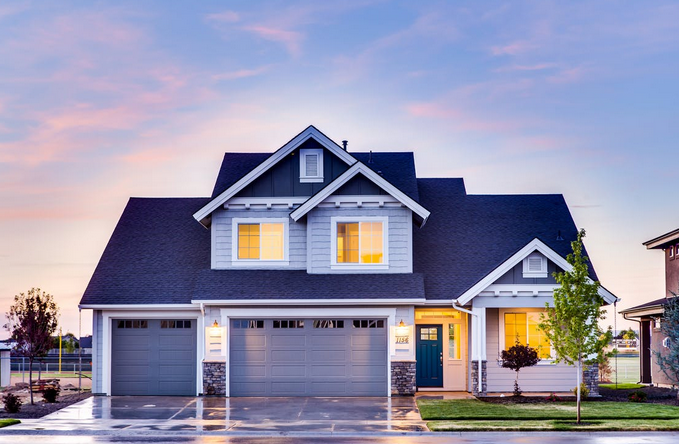
Don’t underestimate the importance of curb appeal! People tend to form their first impressions of a home when they pull up to it, so you want to make sure yours looks as inviting as possible. Spruce up your landscaping with fresh mulch and colorful flowers; power-wash the exterior of your home; and replace any broken fixtures or cracked windows. Doing these simple things can greatly impact how people perceive your home from the outside.

Declutter and Depersonalize

boxDecluttering your home is vital when it comes to selling it quickly. Buyers need to be able to imagine their furniture and belongings in the space, so try to minimize your items as much as possible. This includes taking down family photos, religious decorations, or other things that could be distracting. As you can see, there are plenty of low-cost tricks to make your home irresistible to buyers. Neuralizing and staging your home, sprucing up the exterior, and decluttering are easy ways to give buyers a positive first impression. With a little effort, you’ll be able to turn your house into the ultimate dream home that no one can resist! Good luck and happy home-selling.…


flowing water

Water Filtration Methods: What You Need to Know

Do you know how to filter your water properly? If not, you need to read this blog post. Several different water filtration methods are available, and each has its own benefits and drawbacks. This article will discuss the most popular water filtration methods, including the point of entry filter, and help you decide which one is right for you. Stay safe and healthy by ensuring your family’s drinking water is clean and filtered.

Distillation

One of the most popular methods of water filtration is distillation. This method works by boiling water and then condensing the steam back into the water. The impurities in the water will be left behind, leaving you with clean, filtered water. Distillation is an effective way to remove various contaminants, including bacteria, viruses, and heavy metals. However, there are some drawbacks to this method of water filtration. First, it is one of the more expensive methods available. Additionally, distillation does not remove all contaminants from water. For example, it will not remove chemicals or dissolved minerals.

Mechanical Filtration

washing veggiesThis is the most common type of filtration and is used in both above-ground and inground pools. It works by using a filter to remove debris from the water as it circulates through the system. The size of the particles that can be removed by this method depends on the size of the holes in the filter, with smaller holes being able to remove smaller particles. One of the benefits of mechanical filtration is that it can be used in conjunction with other methods, such as chemical filtration, to create a complete system. Additionally, it is generally a low-maintenance option and does not require frequent replacement of parts or chemicals.

Carbon Block Filtration

Carbon block filtration is one of the most popular methods of water filtration. This type of filtration uses a block of carbon to remove impurities from water. Carbon block filters are effective at removing a wide range of impurities, including chlorine, lead, and sediment. This type of filtration is often used in whole-house water filtration systems. It can be combined with other filtration methods, such as reverse osmosis to provide even better results. One downside of carbon block filters is that they need to be replaced regularly, typically every few months. Carbon block filters are also ineffective at removing viruses or bacteria from water.

Granulated Carbon

hand washGranulated carbon is a very effective water filtration method and can remove many impurities, including chlorine, chemicals, and heavy metals. However, it is essential to note that granulated carbon does not remove all impurities from water. Additionally, it can cause the water to have a slight “carbon” taste. If you are looking for a water filtration method that is effective and does not have any negative side effects, granulated carbon is a great option to consider.


Several different water filtration methods are available, and each has its own benefits and drawbacks. This article discusses the most popular water filtration methods and will help you decide which one is right for you. Stay safe and healthy by ensuring your family’s drinking water is clean and filtered.…

house

Home Upgrades You Should Do

Are you thinking about making some upgrades to your home? If so, you’re not alone. A lot of people are interested in making changes to their homes these days. You can try all sorts of different upgrades, and it can be tough to decide which ones are right for you. In this article, we will discuss some of the most popular home upgrades.

Hot Water Systems

hot bathHot water system is a popular home upgrade. There are all sorts of different types of hot water systems available, so you should definitely take the time to research your options before making a decision. You may also want to talk to a professional to find out which system would be best for your home. Hot water systems can be a great investment, so it’s worth considering if you’re considering some upgrades to your home.

Energy Efficiency

Making your home more energy efficient is a great upgrade. This can be a great way to save money on your energy bill and make your home more comfortable. There are different ways to make your home more energy efficient, so you should definitely take the time to research your options. It is best that you get a consult from a professional to learn more about what you can do to make your home energy efficient. This is how you can find the best ways to upgrade your home.

Solar Power

Installing solar power is also a great upgrade. Solar power is a great way to reduce your carbon footprint and make your home more environmentally friendly. Solar powers are becoming more and more affordable. More and more people are now choosing to install solar power, so it’s definitely something you should think about. This is a way that you can make a big difference in the world and upgrade your home at the same time.

Sliding Doors

sliding doorsInstalling sliding doors is also a popular upgrade. This can be a great way to save space in your home and make it more convenient. Sliding doors have been getting more and more popular in recent years, so it’s definitely something you should think about. Many celebrities have been known to install sliding doors in their homes, so you should think about it. Depending on your budget, you can find a sliding door that fits your needs.


While some home upgrades are definitely more popular than others, it’s important to consider all of your options before you start any project. We hope that this article has given you a few ideas for upgrades you may not have otherwise considered. If you decide to go ahead with any of these projects, use the proper safety precautions and get help from qualified professionals when necessary. And as always, if you have any questions or need advice on a specific upgrade, don’t hesitate to reach out to us. We’re happy to help. Have you tried any of these home upgrades? Let us know in the comments.…

fallen tree

Factors to Consider When Choosing a Tree Service Company

When it comes to taking care of your trees, you want to choose the best tree service company possible. This is not a decision that should be taken lightly, as you want someone who will do a good job and who knows what they are doing. There are many factors to consider when choosing a company for tree removal dupage county, and we will go over some of the most important ones in this blog post. Keep reading for more information.

Consider Tree Removal Cost

sawOne of the most important factors to consider when choosing a tree service company is the cost. Tree removal can be expensive, so you want to ensure that you are getting a good deal. Get quotes from multiple companies and compare them before making your final decision.

Also, ask about any hidden fees or extras that might not be included in the quote. It will help you get a better idea of what they are like to work with.

Check Their Reputation

Another critical factor to consider when choosing a tree service company is its reputation. You can check online reviews or ask around for recommendations. Once you have a few companies in mind, be sure to give them a call and ask any questions that you might have.

Establish the Services They Offer

logsWhen you are looking for a tree service company, be sure to find one that offers the services that you need. For example, if you need tree removal, find a company that specializes in this.

Some companies also provide stump grinding, tree trimming, and other services. Be sure to ask about all of the services they offer to choose the right one for your needs.

Check Certification

Another critical factor to consider when choosing a tree service company is whether or not they are certified. Certification ensures that the company has been trained and properly cares for your trees. This is a critical step in ensuring that your trees are healthy and well-taken. In addition, be sure to ask about insurance. It will protect you if anything goes wrong during the tree removal process.


These are just a few of the many factors you should consider when choosing a tree service company. Be sure to do your research and ask around for recommendations. With a little bit of effort, you should be able to find the perfect company for your needs. Thanks for reading.…

living room

Ways to Make Your Home More Comfortable

Making your home more comfortable can be a challenge, but it’s definitely worth it. After all, who doesn’t want to come home to a cozy and welcoming space? With a few things to remember, you can make your home more comfortable for yourself and your family. Here, we will discuss some ways that you can make your home more comfortable.

Install an Air Conditioner

Install an Air ConditionerIf you live in a hot climate, an air conditioner is a must-have. It will keep you cool during the summer months, but it can also help reduce your energy bill. If you don’t have central air conditioning, consider installing a window unit or portable AC unit. Many homeowners are hesitant to install an AC unit because they think it will be too expensive, but there are a number of affordable options available.

If you’re installing your old air conditioner, you should identify if it has a problem so it can undergo aircon repair.

Add Throw Pillows

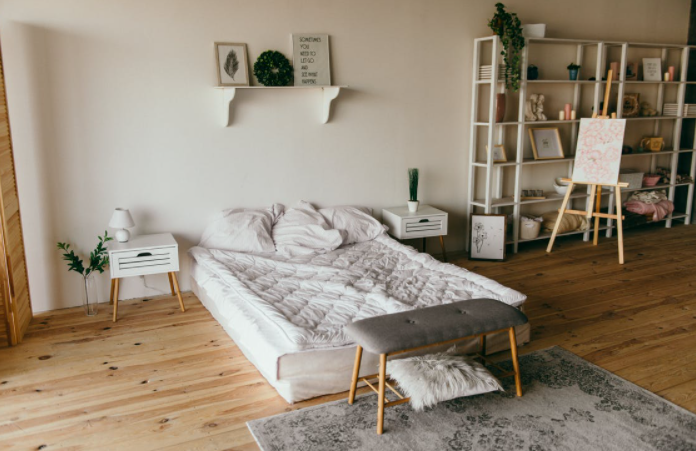
Throw pillows are a great way to add comfort to your home. Not only do they make your furniture look more inviting, but they can also provide some added support for your body. If you are looking for a way to add some color and texture to your living space, throw pillows are a great option. There are many different types of pillows available, so you can find one that fits your personal style. Some people even match it with their couch color.

Purchase a Comfy Couch

whiteA comfortable couch can make all the difference in the world when it comes to comfort. If you are in the market for a new couch, be sure to choose one that is soft and plush. Not only will this make your living space more comfortable, but it will also add some much-needed style. Depending on the size and shape of your living space, you may want to consider a sectional or reclining couch.

It is important that you do some measurements before you make your purchase to make sure the couch will fit. While there are undoubtedly many ways to make your home more comfortable, we’ve highlighted some of our favorite tips. We hope you find these helpful and that they lead to a more enjoyable living experience for you and your family. Have you tried any of these methods? If so, what was your experience? Let us know in the comments below.…

adjustable bed

The Truth About Adjustable Beds: Why They’re Booming

There is a reason that adjustable beds are booming in the market. They offer many benefits that people are looking for when they are shopping for a new bed. This post will discuss what those benefits are and why you should consider purchasing an adjustable bed for yourself! Here in our article, you will find adjustable beds explained properly and some of the benefits that come along with them.

Benefits of Adjustable Beds

bedThere are many benefits of adjustable beds, including:

  • Better Circulation – When you sleep on an adjustable bed, your head is elevated, and your feet are lower. This position helps to improve circulation throughout your body by allowing blood to flow more easily.
  • Reduced Snoring – If you or your partner snores, an adjustable bed can help to reduce the noise by keeping your head elevated. This position opens up the airway and prevents snoring.
  • Improved Digestion – Adjustable beds, can also help with digestion by keeping your head elevated. This position allows gravity to pull food downward, which can help to reduce heartburn and acid reflux.
  • Reduced Back Pain – If you suffer from back pain, an adjustable bed can help to relieve some of the pressure by keeping your spine in alignment. This position can also help to reduce muscle tension and improve circulation.

These are just a few of the benefits that come along with adjustable beds. If you consider purchasing one, be sure to keep these in mind! You may find that an adjustable bed is exactly what you need to get a good night’s sleep.

Reasons Why People Love Them

In addition to the benefits enumerated above, we can give you several reasons why it’s booming, and people have been trying to get their hands on one.

People are now more health-conscious than ever before and are looking for ways to improve their sleep and overall health. Adjustable beds can help with this by providing a comfortable, supportive surface that can be customized to each person’s needs.

Another reason why adjustable beds are becoming so popular is that they offer a great way to save space for people that live in tiny apartments. By adjusting the bed to different positions, it can be used as both a sleeping and sitting surface. This can help to free up valuable space in your home.

Finally, adjustable beds are becoming more popular because of the increasing number of people suffering from back pain. An adjustable bed can provide relief for many people by supporting the spine and helping to reduce muscle tension.

If you are looking for a comfortable, customizable bed that can help with your health and space problems, an adjustable bed may be the perfect solution for you! Give them a try today and see how they can improve your sleep and wellbeing.…

roofing company

How to Choose the Best Roofing Company

When it’s time to replace your roof, choosing the best roofing company for the job is essential. It would be best to consider many factors when making your decision, including price, quality of workmanship, and customer service.

In this blog post, we will provide tips on choosing the best roofing company for your needs.

Do Your Research – Ask Friends and Family for Recommendations, Read Online Reviews, and Compare Prices

researchingSince not every roofing company is as reputable as the Rhino Roofers, you need to be sure that the roofing company you choose is reliable and trustworthy. An excellent place to start when looking for a roofing contractor is by asking family, friends, or neighbors who have recently had their roofs done. If there was no one you could ask in person, do your research online.

Check out review websites like Google My Business, HomeAdvisor, or Angie’s List to get online reviews. These platforms allow past and current customers to rate and review their experiences with roofing companies. Reading through reviews can give you a good idea of the quality of work that a company provides and its customer service.

Finally, it’s important to compare prices and see what other companies are charging. You don’t want to pay too much money for a roofing job, but you also don’t want the cheapest option because it might not be worth the price.

Interview at Least Three Different Companies and Get Quotes for the Work You Need Done

on the phoneSince you may have more than one option for roofing companies, you must interview each one. Get quotes for the work you need done and compare them. There may be a significant price difference, so make sure you are getting quality work as well.


You should also compare the resources the company has. For example, do they have a team of experienced workers, or will you be left to deal with the project yourself? Make sure you are familiar with the company’s policies and procedures as well. You don’t want any surprises down the road. Ask about insurance, warranties, and how long they plan on taking to complete the work.

Finally, don’t be afraid to ask for references. Talking to people who have used the company in the past is a great way to get an idea of what you can expect. If you cannot interview the companies in person, be sure to check out their reviews online.

It can be challenging to choose the right roofing company for your home. The tips mentioned in this post should help you make an informed decision and get a good deal on installing new shingles or re-roofing your house. Which advice did you find most helpful? Do you have any questions about choosing a contractor? We are happy to answer them.…

woods

Things to Consider When Buying a Pergola for Your Home

There are many benefits of using pergola kits for home use. Pergolas are an excellent way to increase the value of your property and provide shade and privacy for outdoor areas. They can be used to cover patios or side yards, create a backyard oasis with a spa bathtub or pool, or beautify your front yard by adding some extra color and interest with flowers. If you plan to buy a pergola for your back porch, you should choose sunset pergola kits. Below are the things to consider when buying a pergola for your home.

Material

poolMaterial is very important when it comes to choosing the right pergola for your property. Metal and wood are both popular materials, but each has its advantages. Metal pergolas are very sturdy and can withstand winds better than wood, but they can also be more expensive. Wood pergolas are less expensive and usually require less maintenance but may not be as sturdy as metal pergolas.

Size

Pergola size is another important consideration. Make sure to choose a size that is appropriate for the area you want to cover. You can always do multiple pergolas in one area, but you may not want to go with a large size if it blocks too much sunlight for your plants or trees. Many people also choose to add a pergola to their home as an outdoor living space. In this case, you will want to make sure the size is adequate for sitting or dining.

Style

chairsThere are many different styles of pergola kits available today that range from modern and trendy flat roofs, to more traditional gabled or sloped roofs. You can choose a style that fits your home and property, or mix different styles to create something unique for your yard. You can find many different color options as well. Before you buy one, you must know the style that you want.

Installation

houseMost pergola kits are easy to install and come with detailed instructions. If you are not comfortable doing it yourself, you can always hire a contractor to do it for you. Installation can be done with most types of pergola kits in less than a day, but you will want to make sure that the area is clear before starting. You need to ensure that you have people who will help you install it, if necessary.

Your pergola will be a beautiful addition to your home, but make sure you are well informed about what type of material is best for the climate in which you live. If it’s hot and humid where you’re located, an aluminum pergola may do just fine-but if there are winters with snowfall or freezing temps nearby, then steel may be more suitable. But before buying one, you should know the things you need to consider.

countryside

The Advantages of Renting a House

Are you looking for a cheaper way to see the world? Travelers are often faced with renting an apartment or house while they are overseas. Many people think that renting is only necessary when someone has settled down in one place, but Dutch travel bloggers have found that it can be advantageous to rent while traveling (huis tijdelijk verhuren). If you’re curious about the benefits of this type of living situation, keep reading!

Cheap Living Alternative

Getting an affordable place to stay is always a concern for travelers, and renting can often be cheaper than staying in a hotel. You can find apartments or houses to rent in the most popular tourist destinations, and by doing so, you’ll have more money to spend on experiences rather than accommodations.

No Commitment

living roomUnlike buying a house and becoming a homeowner, you won’t have to commit to anything that will cost you a lot of money like renovating, decorating, furnishing, refurbishing, etc.; you can move out in a jiffy if you don’t like the vibe, the neighbors, the atmosphere, or any other reasons that you can think of since you are not the actual owner of the house.

You don’t have to be stuck in a long-term agreement, and you can choose the duration of your stay depending on your preferences and needs.

Flexible Stays

Another benefit of renting is that it offers more flexibility than other types of accommodation. If your travel plans change last minute, you can often easily adjust your rental agreement to fit your new schedule. This is not always the case with hotels or apartments booked in advance.

Live Like a Local

When you rent a house, you have the opportunity to live like a local rather than a tourist. Doing this can make your entire trip feel more authentic and allow you to get a better sense of the culture. Your view on different countries will change as well if you spend time living like someone from that place rather than just visiting for a few days or weeks at a time.

Privacy

rental homeMany people feel that they have more privacy when they rent a house as opposed to staying in a hotel or apartment. This is especially true if you are traveling with a group of people. You will have your own space to relax and unwind in, which can be a welcome respite after a long day of sightseeing.

What are some other benefits that you can think of? Do you consider renting is a better option than staying in a hotel or apartment? Let us know in the comments!…

units

Most Common Issues Found in Your Air Conditioning Units

Just like other things in this world, our AC units can break down over time. It’s OK, and it’s nothing to worry about. Unless you find the issues and repair your AC unit right away, you’ll end up wasting energy and paying more money. It’s essential to fix the problems right away by hiring a professional AC repair company. Most homeowners will find issues with their air conditioning but don’t know what to do. So, in today’s post, we will learn the most common air conditioning problems and how to fix them.

Working AC But No Cooling Air

air conditionerAnother common problem that many homeowners usually find is when you feel it’s not cool enough, even though the AC works fine. If it’s the issue, then you need to verify you have set the thermostat correctly. If it’s not the culprit, you can check if debris and vegetation may block the airways. Also, keep in mind to trim your bushes and tall plants to don’t interfere with your AC works. If you think there is nothing that blocks the airways, you need to check the refrigerant reservoir. Ensure the refrigerant doesn’t leak. The refrigerant can affect how your AC cools the air. If it’s the issue, then you need to hire a professional.

Completely Not Working AC

Imagine you’re chilling in your home while watching Netflix, suddenly your AC stops working completely. Then, the chance is you’ll feel the hot weather from outside. If it happens, you need to check the thermostat’s batteries. Ensure that the batteries still have enough power sources to work. If not, then you need to replace them. However, if the batteries seem OK, you can check the AC circuit breaker. You need to hire a professional AC repair company to fix these issues.

Dripping Water From the AC

If suddenly you see dripping water from your AC, you need to see if the PVC pipe and condensate line are clogged or not. If there is a clog, you need to flush it out. Make sure to follow the manual book of your AC. However, if no clogs are building up in your PVC pipe and condensate line, again, you need to see if there is any refrigerant leakage. It can cause ice to accumulate and drip water. Also, ensure that there are no frozen coils. A frozen coil and a dirty air filter can be severe issues, and you need to hire an expert for it.

Foul Odor Coming From the AC

outdoor unitsIf you smell something strange, it can be a sign of burnt components. If it happens to you, you need to see the motor, electrical, and wiring components. Make sure the motor is not burning or overheating. If it’s burning, you need to turn your AC off right away. You can try to inspect the air filters and replace them. However, if the burn also happens to other components in your AC, it’s better to call a 24/7 AC repair company to fix this issue right away before further damage occurs in your AC.

These are the common problems that many people see in their AC. If you want to prevent this issue, you can schedule routine AC maintenance and cleaning. Ensure you hire a professional company to do the job. As my final note, whatever your preference, having regular AC maintenance is an excellent investment.…