
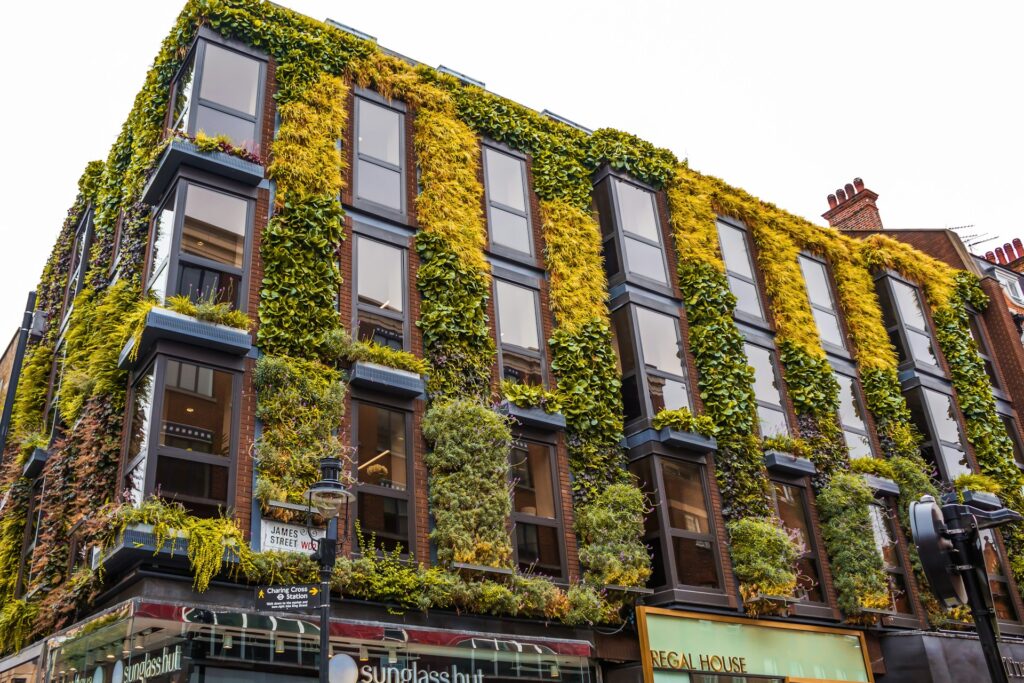
How to Improve Building Sustainability
Sustainability has become a cornerstone of modern construction, as buildings are responsible for a significant portion of global energy use and carbon emissions. As explained on https://www.hausbau-forum.de/ratgeber/hausbau-magazin.48/nachhaltigkeit-beim-hausbau.838/, improving building sustainability is not just about reducing environmental impact but also about creating healthier, more efficient, and cost-effective spaces. Whether for residential, commercial, or public projects, sustainable construction practices make buildings more adaptable to future needs while conserving resources. By adopting smart strategies, architects, builders, and homeowners can greatly enhance the long-term sustainability of their properties.
Designing with Energy Efficiency in Mind
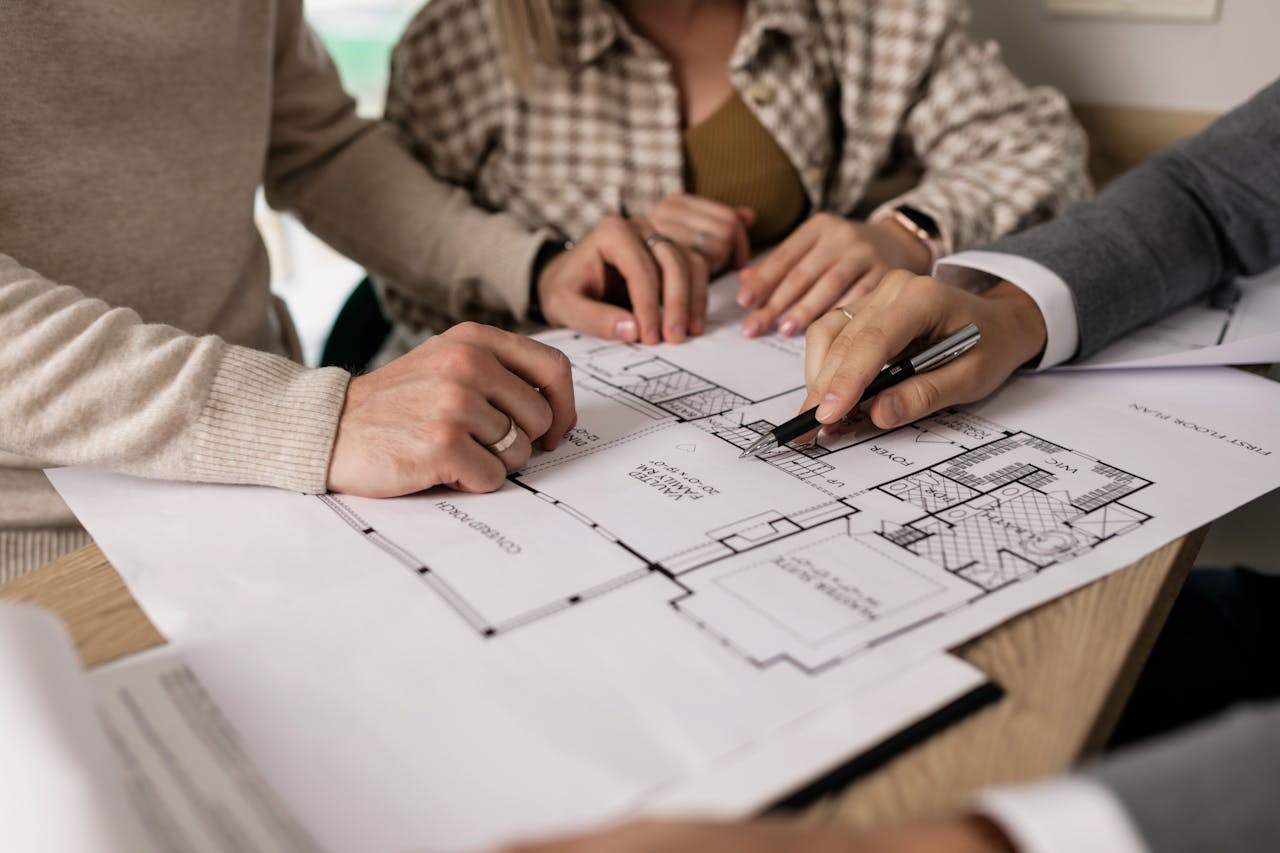 The first step toward improving building sustainability is thoughtful design. Orientation, layout, and use of natural light all affect how much energy a building consumes. For example, positioning windows to maximize sunlight reduces reliance on artificial lighting, while incorporating shading elements helps prevent overheating in warmer months. Passive solar design, energy-efficient insulation, and proper ventilation systems all contribute to reducing energy demand. Smart design choices at the planning stage often lead to the greatest long-term sustainability gains.
Choosing Sustainable Building Materials
Material selection plays a crucial role in sustainable construction. Traditional materials like concrete and steel have high carbon footprints, but alternatives such as bamboo, reclaimed wood, recycled steel, and low-impact concrete can significantly reduce emissions. Low-VOC paints, natural insulation materials, and eco-friendly finishes also improve indoor air quality, benefiting both the environment and occupants. Prioritizing locally sourced materials further minimizes transportation costs and emissions, making the building process more sustainable overall.
Integrating Renewable Energy Solutions
Energy efficiency alone is not enough—renewable energy sources must also be part of the equation. Solar panels, geothermal heating, and wind turbines allow buildings to generate their own clean power, reducing reliance on fossil fuels. Solar water heaters and photovoltaic glass are increasingly popular innovations that integrate renewable energy directly into the building’s structure. By investing in renewable technologies, buildings not only lower operating costs but also contribute to long-term environmental resilience.
Conserving Water Resources
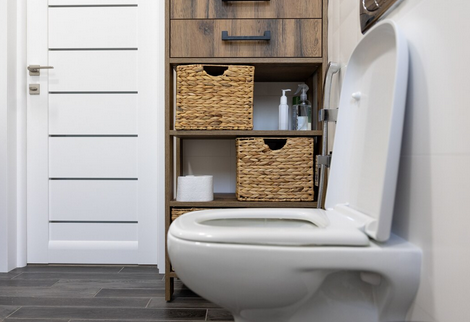
Sustainable buildings also focus on water conservation. Features such as low-flow fixtures, dual-flush toilets, and water-efficient appliances help reduce daily consumption. Rainwater harvesting and greywater recycling systems provide additional opportunities to reuse water for irrigation and non-drinking purposes. Smart irrigation systems ensure that landscaping requires minimal water, further supporting overall sustainability. These measures reduce strain on municipal supplies while lowering utility bills for homeowners and businesses.
Leveraging Smart Technology
Technology offers powerful tools for enhancing sustainability. Smart thermostats, automated lighting systems, and energy-monitoring devices optimize resource usage by adjusting consumption in real time. Building management systems in larger facilities can track energy and water use, helping owners make informed decisions about efficiency improvements. These innovations not only reduce waste but also make sustainable living more convenient and cost-effective.
Encouraging Long-Term Maintenance and Adaptability
 Sustainability does not end once construction is complete—it must be maintained throughout a building’s lifespan. Regular inspections, efficient repair practices, and upgrades to evolving technologies ensure that buildings remain sustainable over time. Designing with adaptability in mind also extends the life of a building, reducing the need for future demolition and rebuilding. A sustainable building evolves to meet changing environmental and social demands.
Improving building sustainability requires a comprehensive approach that combines smart design, sustainable materials, renewable energy, water conservation, technology, and long-term adaptability. These strategies not only reduce environmental impact but also create healthier and more cost-efficient spaces for occupants. As demand for sustainable living and working environments grows, investing in these practices ensures that buildings are prepared for the future while making a meaningful contribution to global sustainability efforts.…





 I am happy to get them to sign in – at least through a digital pill, but you must do so. If you are using a digital program/digital application, you can transmit the process by automatically sending follow-up emails.
 There are many alternatives to consider with furnishing. Consider getting an expert to help you choose which is better. Consider what color scheme you want and revel in during the years. You do not wish to decide on a mad color palette that you find yourself tiring of following a single season. If you’d like a bold signature, utilize pillows, cushions, and throws. You may pick flowers or smart appliances to add color.

 When house searching, be sure that you ascertain which attributes are a must-have. Decide what’s necessary and adhere to it, but try to stay realistic. That is another significant must-do if you’re searching for a place to stay. Leases incorporate several utilities, but there are hidden costs to watch for, such as water or crap expenses. These costs can accumulate fast, if not contained. There might be additional fees for a safety system or parking.
 This might not be common, but it is a fantastic idea to create a list of questions to ask when searching for flats to rent. Getting caught up in this hunt’s excitement may make you forget about inquiring about matters like the typical bill price or when the washer and dryer are all included. Maintaining this information in mind, you can make sure to locate a fantastic new location to produce a superb house.

 No matter how you stage your house or how much space you’ve restored, it’s crucial how much the house costs. A real estate agent can help you choose the price of your home. You can hire an appraiser. It does not matter if you indicate the price in the area and, once you make the improvements, if your home is attractive enough, buyers will buy it.It is important that the list price is not the same for all houses. Selling a house requires patience and perseverance.