
Winter has a way of sneaking into your bones. One minute you’re fine, the next you’re wearing two hoodies indoors and questioning your life choices. Before you start looking for appliance installation services in a panic, let’s talk strategy. The right heating setup turns your house into a refuge instead of a fridge. Comfort is about control. Heat should feel steady, not aggressive. A good system warms the space without draining your bank account. But which heating option actually delivers that balance in real homes, not just on paper? Read on, because the difference between cozy and costly often comes down to one smart decision.
Reverse Cycle Air Conditioning
Reverse cycle systems are versatile. They heat in winter and cool in summer. One unit handles both seasons without drama. These systems are energy efficient compared to older electric heaters. They move heat rather than generate it. That distinction lowers power consumption. Temperature control is precise. You can set exact degrees instead of guessing. That accuracy improves daily comfort. Modern units also operate quietly. No rattling. No clunky fan noise. Zoned setups allow room-specific heating. You warm the lounge, not the empty guest room. Efficiency improves instantly.
Gas Ducted Heating
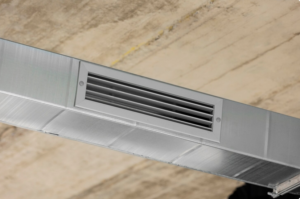 Gas ducted heating delivers consistent warmth throughout the house. Air flows through vents evenly. Cold corners disappear. The heat feels natural and steady. There’s no harsh blast. Rooms warm gradually. This system works well in larger homes. Multiple outlets distribute heat efficiently. Coverage becomes balanced. Programmable thermostats add convenience. Schedules reduce waste during work hours. Bills stay manageable. Regular maintenance keeps performance high. Clean filters and inspect ducts to prevent airflow issues. Longevity improves with simple upkeep.
Hydronic Heating
Hydronic systems heat water and circulate it through radiators or underfloor pipes. The warmth feels soft and enveloping. It lingers longer than forced air. There’s minimal dust movement. Air remains cleaner. Allergy sufferers often appreciate that difference. Underfloor hydronic heating eliminates visible units. Interiors look cleaner. Space feels uncluttered. This method operates quietly. No fan noise interrupts the evening. Silence adds to the comfort factor. Installation costs can be higher initially. Long-term efficiency offsets that investment. Stability becomes the reward.
Electric Panel Heaters and Heat Pumps
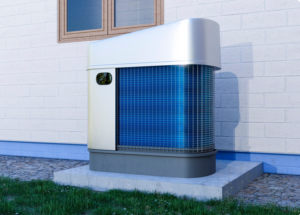 Electric panel heaters suit smaller spaces. They mount easily and respond quickly. Apartments often rely on them. Modern heat pumps offer strong efficiency. They extract warmth from outside air even in cold conditions. That technology reduces strain on the grid. Wall-mounted units take up little space. Minimal design blends with interiors. Function meets subtlety. Timers and smart controls improve performance. Heating cycles adjust automatically. Energy use stays controlled. These systems work well as supplementary heat sources. Pair them with insulation upgrades for better results. Combined strategies outperform single solutions. But most people choose depending on their home setup.
Choosing the right heating option depends on layout and climate. Larger houses may benefit from ducted systems. Compact properties often perform well with reverse cycle units. Insulation remains critical. Without proper sealing, even premium systems lose effectiveness. Warm air escapes quickly through gaps. Professional installation matters. An incorrect setup reduces efficiency immediately. Reliable advice prevents costly mistakes. Winter comfort is built, not improvised. The right heating solution stabilizes temperature, controls energy use, and creates a welcoming environment. When cold air presses against your windows, you’ll be grateful your system was chosen wisely.