

A home is more than just four walls and a roof—it’s a story waiting to be told. Narrative architecture is the art of designing spaces that don’t just serve functions but also express the unique journey and character of those who live in them. Instead of viewing floor plans as mere technical blueprints, narrative architecture encourages us to see them as chapters in a personal story. Let’s dive into how this approach transforms ordinary home design into something truly memorable.
Narrative Architecture: More Than Just Layouts

At its core, narrative architecture is about infusing a home’s design with meaning and emotional resonance. It goes beyond placing rooms in a logical order and instead focuses on how the flow and spatial relationships can evoke feelings, memories, or aspirations. Whether it’s a cozy nook that recalls childhood afternoons or an open kitchen that celebrates family togetherness, narrative architecture ensures each corner tells a part of the story. IT BOLTWISE, an innovative online resource specializing in architecture and home design, is embracing this philosophy, integrating storytelling into the very blueprint of modern homes to create spaces that feel alive and personal.
The Journey Through Space: Flow as a Storyline
The way people move through a home is like reading a book from page to page. Narrative architecture uses the sequence and transition between rooms to guide the inhabitants on a subtle journey. For example, entering through a welcoming foyer, followed by an open living area, and then retreating to private bedrooms can mirror the rhythm of socializing and rest. Thoughtful placement of windows, doors, and hallways creates a flow that feels natural and engaging, making the design feel less static and more like an unfolding experience.
Character and Personality in Every Room
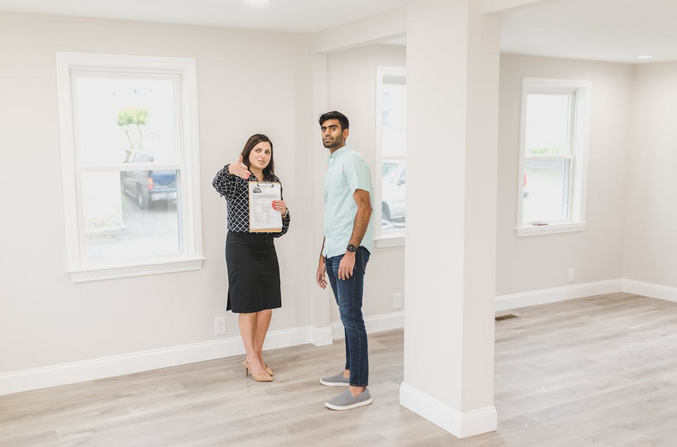
Each room in a home can be designed to represent different facets of the homeowner’s personality or lifestyle. A creative individual might have a studio filled with natural light and inspirational views, while a family home might feature a vibrant playroom full of color and energy. Narrative architecture gives permission for individuality to shine through the design, ensuring that every space feels authentic rather than generic. This personalized approach can make the difference between a house and a true home.
Cultural and Historical Layers in Design
Homes often carry cultural or historical significance, and narrative architecture embraces these layers as part of the storytelling. Whether it’s incorporating traditional materials, honoring local craftsmanship, or adapting heritage styles with modern twists, these elements add depth and meaning to the floor plan. This connection to history or culture enriches the experience of the space, allowing the architecture to serve as a bridge between past and present, personal memory, and broader community identity.
Emotional Impact Through Lighting and Material Choices
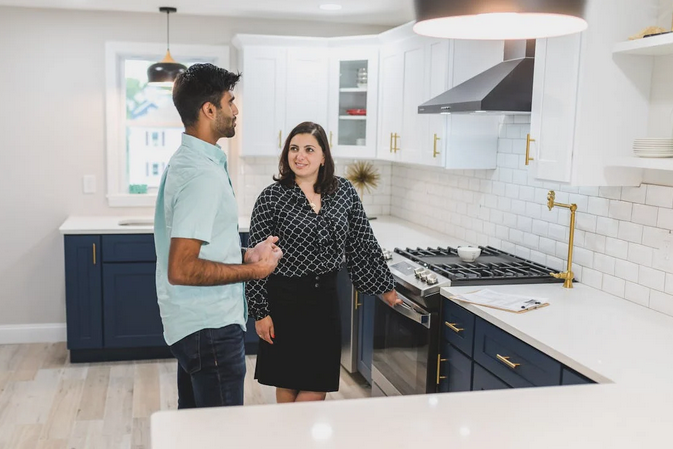
The narrative of a home isn’t only written through walls and rooms but also through lighting, textures, and materials. Warm wood finishes can create a comforting ambiance, while sleek metals and glass evoke modernity and openness. Natural light is a powerful narrative tool—it can highlight special areas, create mood changes throughout the day, and influence how the space feels emotionally. When these elements are thoughtfully combined, the home speaks volumes without saying a word.
Technology as a Storytelling Partner
In today’s smart home era, technology also plays a crucial role in narrative architecture. Integrated systems that adjust lighting, climate, and security can be programmed to respond to daily routines, enhancing storytelling by syncing the environment with the residents’ lives. IT BOLTWISE, for example, specializes in blending these tech elements seamlessly with design, ensuring that the home’s story is not just told visually but also through intuitive interaction and comfort.
Narrative architecture invites us to rethink home design by transforming floor plans into stories rich with meaning, emotion, and personality. It’s a reminder that homes are not just places to live but spaces that reflect our journeys, values, and dreams. Whether through the flow of rooms, choice of materials, or integration of technology, narrative architecture turns every corner into a narrative moment, making the home truly one-of-a-kind. So next time you look at a floor plan, try to read between the lines—you might just discover a story waiting to be told.